Adam Chin
About
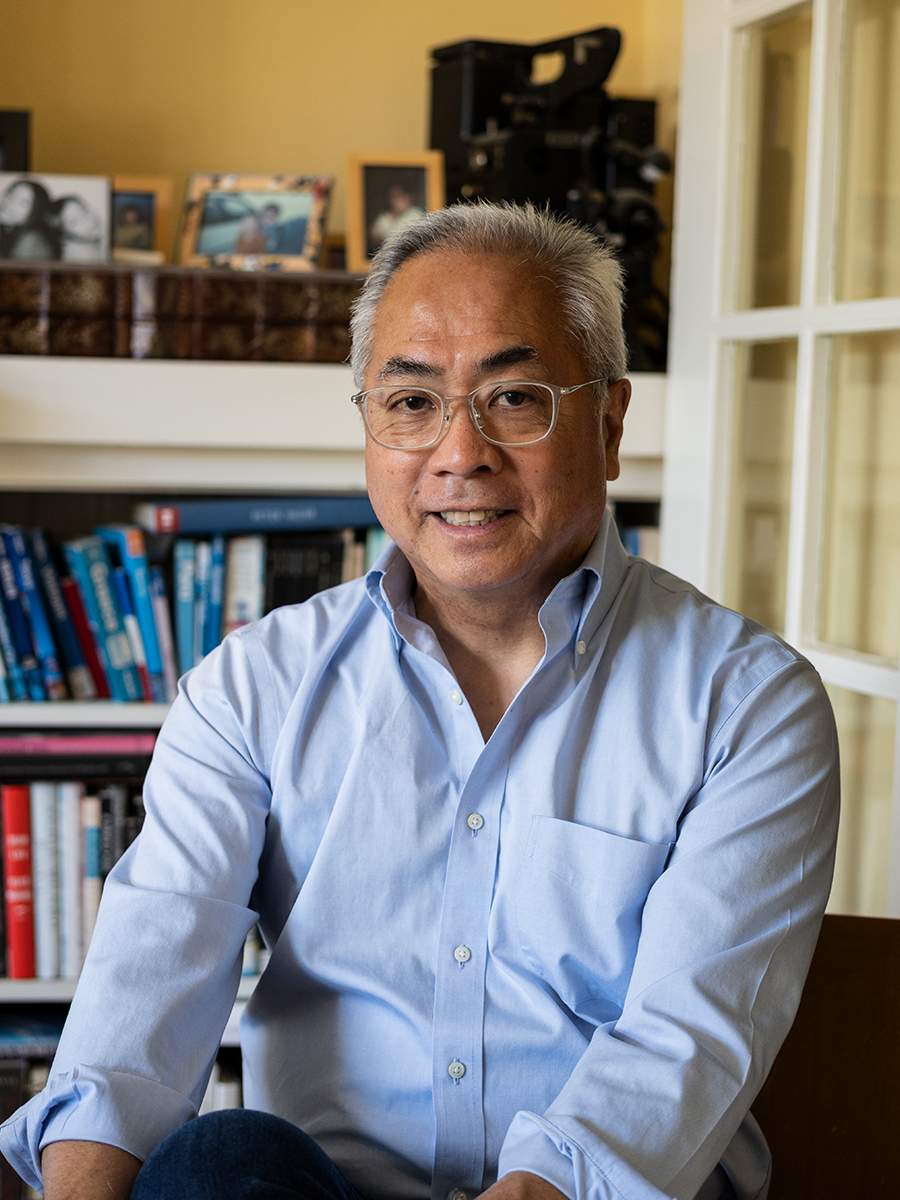
Adam Chin is a fine art photographer who spent a career as a computer graphics artist for TV, commercials, and film. He was one of the original employees of Pacific Data Images, a pioneering computer graphics studio which later became part of Dreamworks Animation. Adam did computer graphics lighting on the Shrek, Madagascar, How to Train Your Dragon, and Kung Fu Panda series of animated feature films.
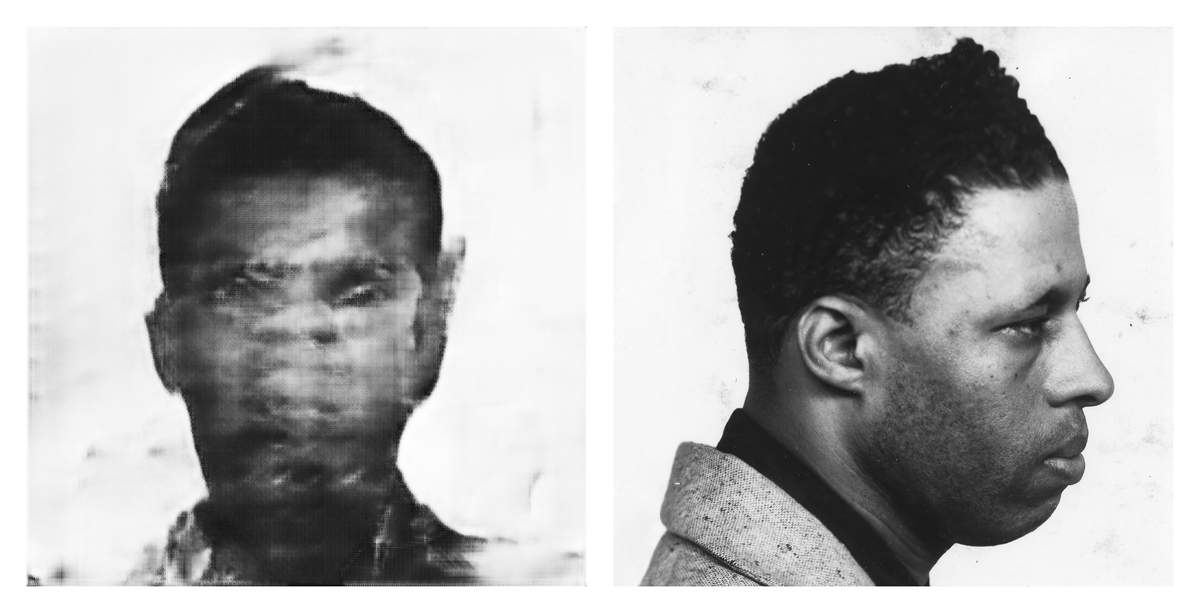
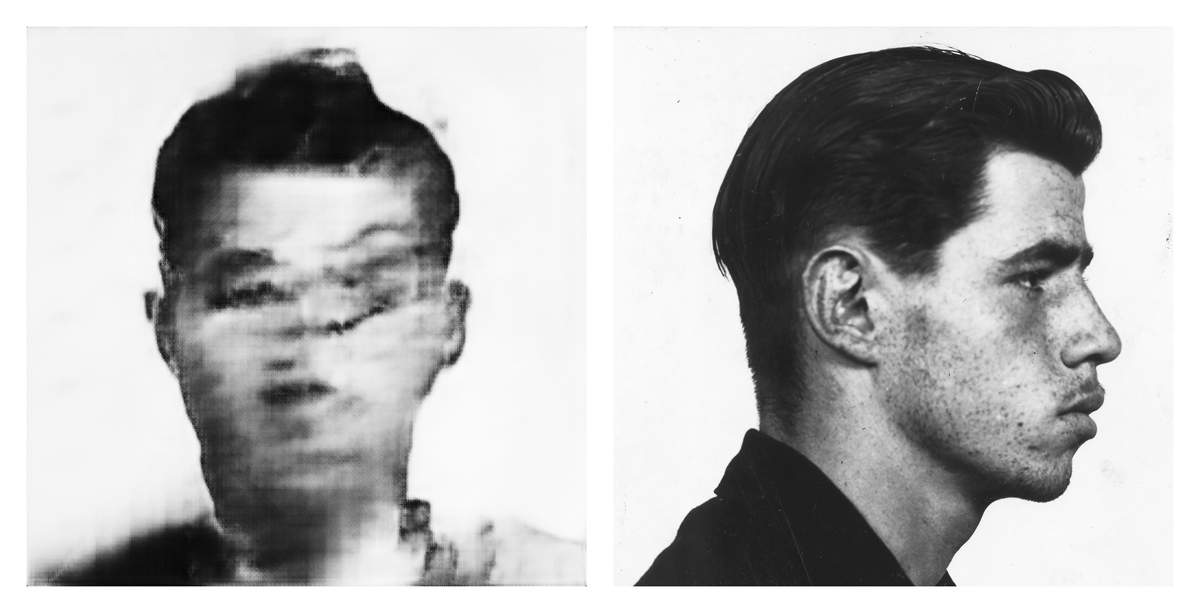
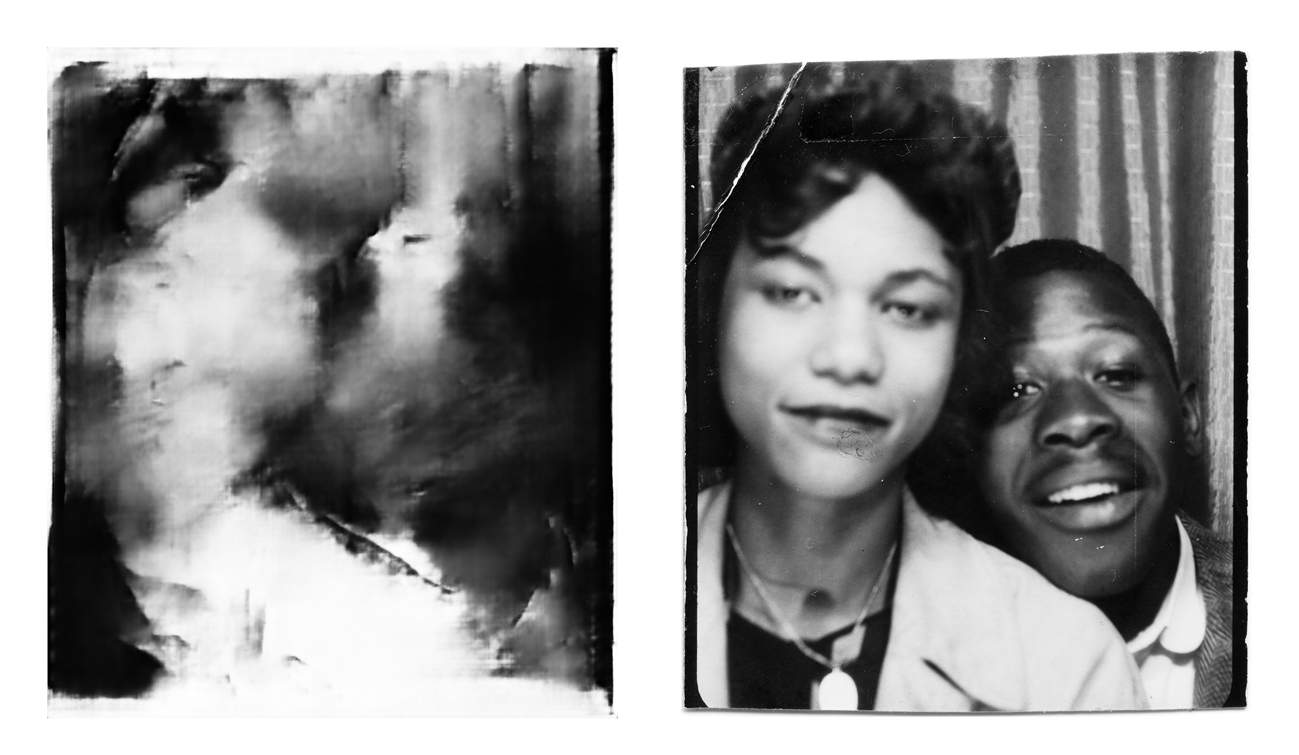
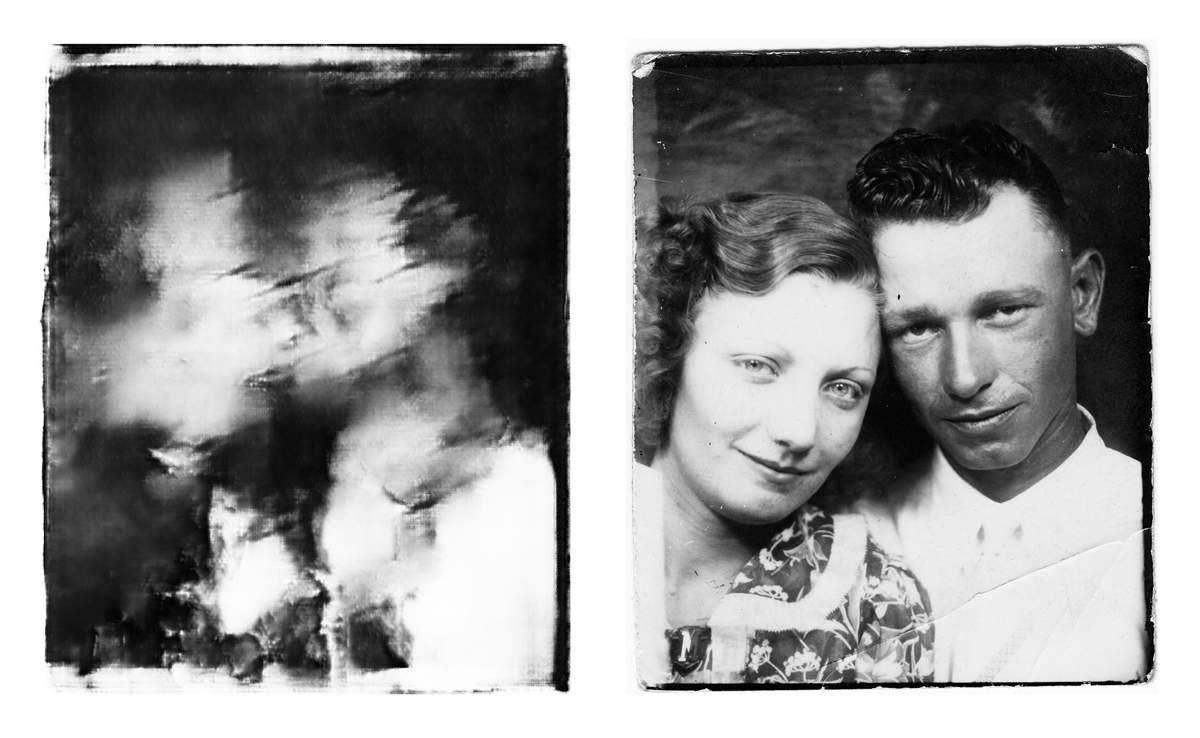
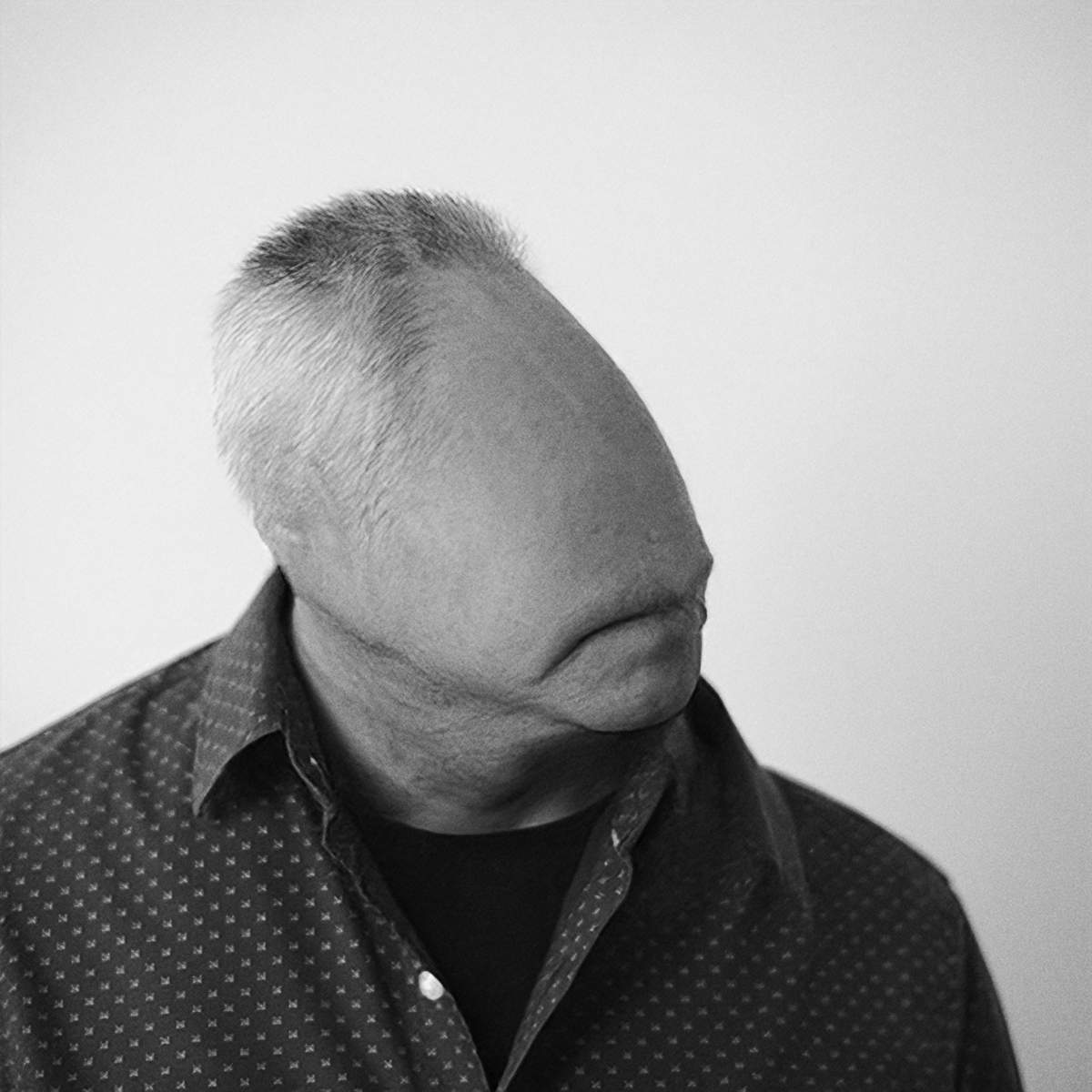
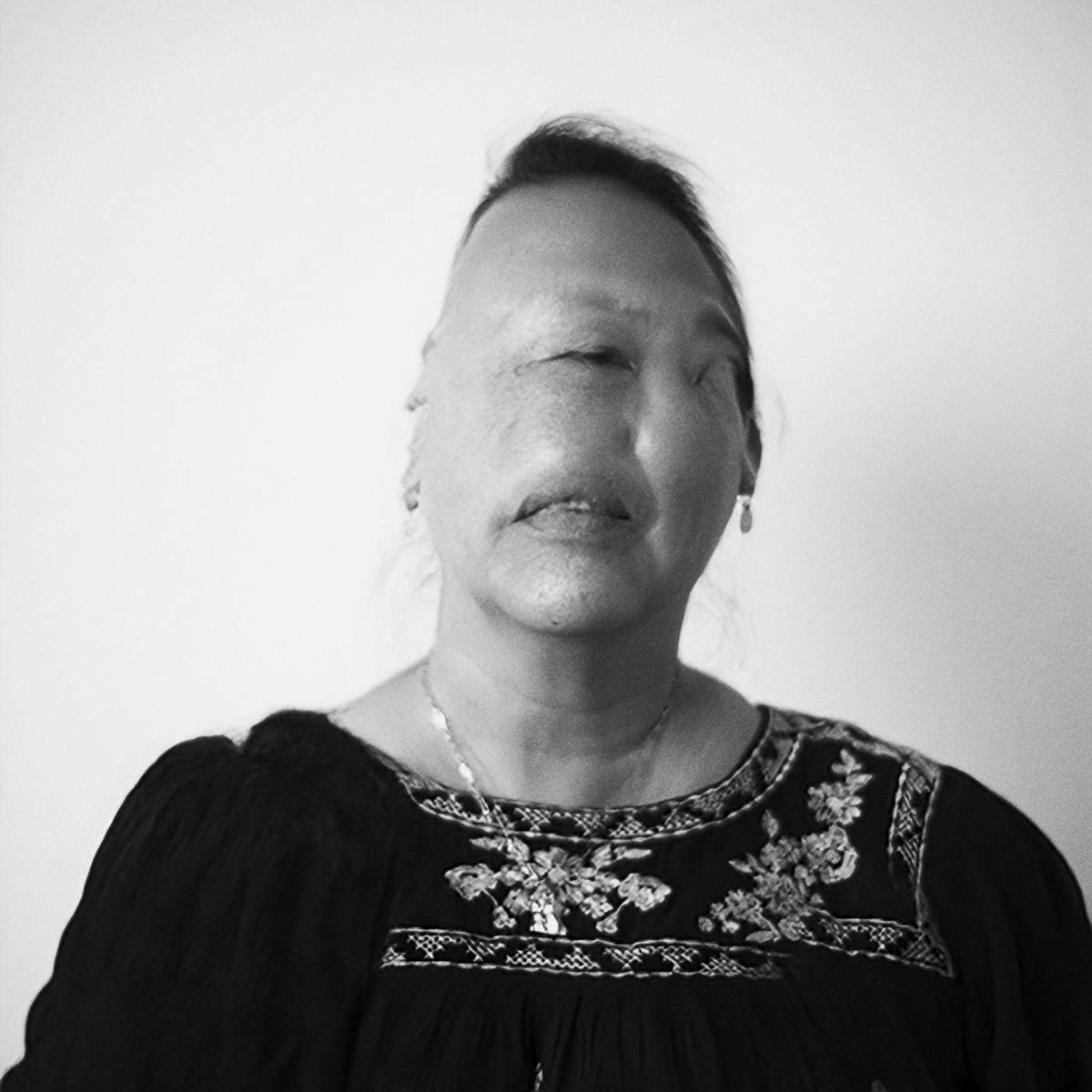
Adam practices using Machine Learning neural networks trained on databases of real photography to render images. By augmenting traditional photography with neural networks, he is exploring the concept of how much information is contained in a given photograph.
Adam studied darkroom photography under Barry Umstead at Rayko Photography in San Francisco. From 1995-2000, he was a board member and chairperson of Intersection for the Arts, a multi- disciplinary arts organization in San Francisco.
In 2020, he was named one of the Photolucida Critical Mass Top 50 photo portfolio award winners, and in 2022 he was a Critical Mass finalist. In 2022 he also won the 30 Over 50: In Context award from the Center for Fine Art Photography.
Adam also manages the photographic archive of his late uncle, Benjamen Chinn. Chinn was a student of Ansel Adams, Minor White, Imogene Cunningham, and Edward Weston, and he photographed San Francisco’s Chinatown and Paris in the late 1940’s and early 50’s.
Adam has a BS in Computer Science from Yale and a MS in Computer Science from Stanford. He lives in San Francisco.
Gallery
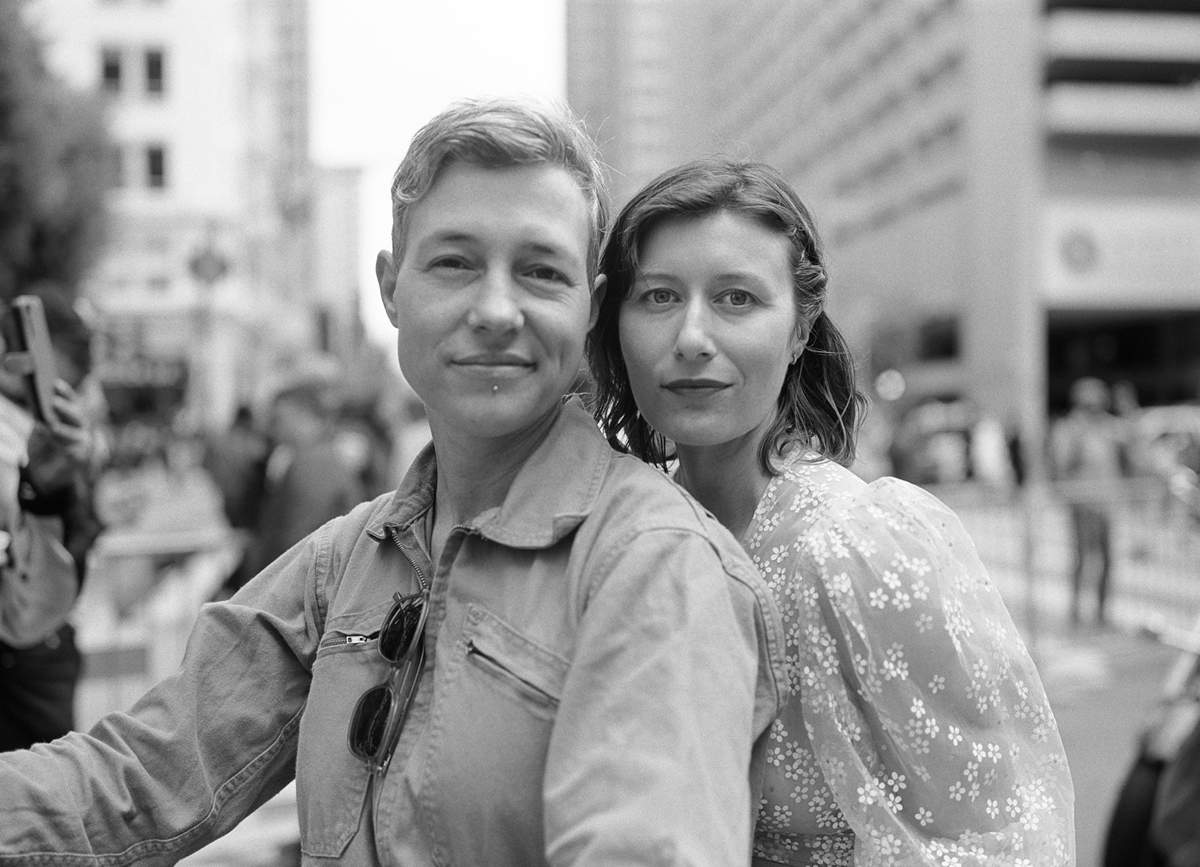

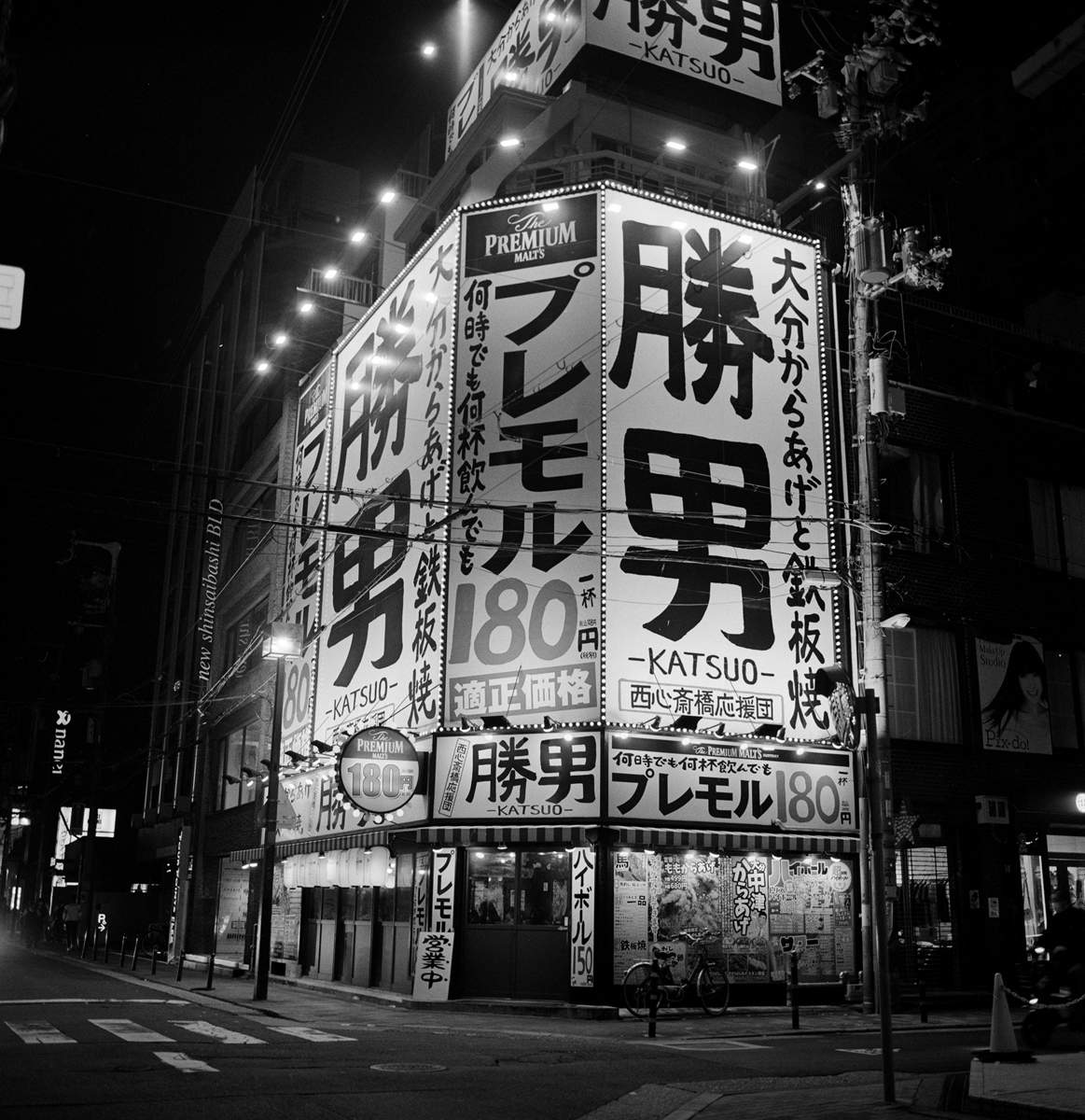
LACP Interviews Adam Chin
LACP asks Adam Chin ten questions about their background, career in and beliefs about photography.
Los Angeles Center of Photography: What kind of photographer are you?
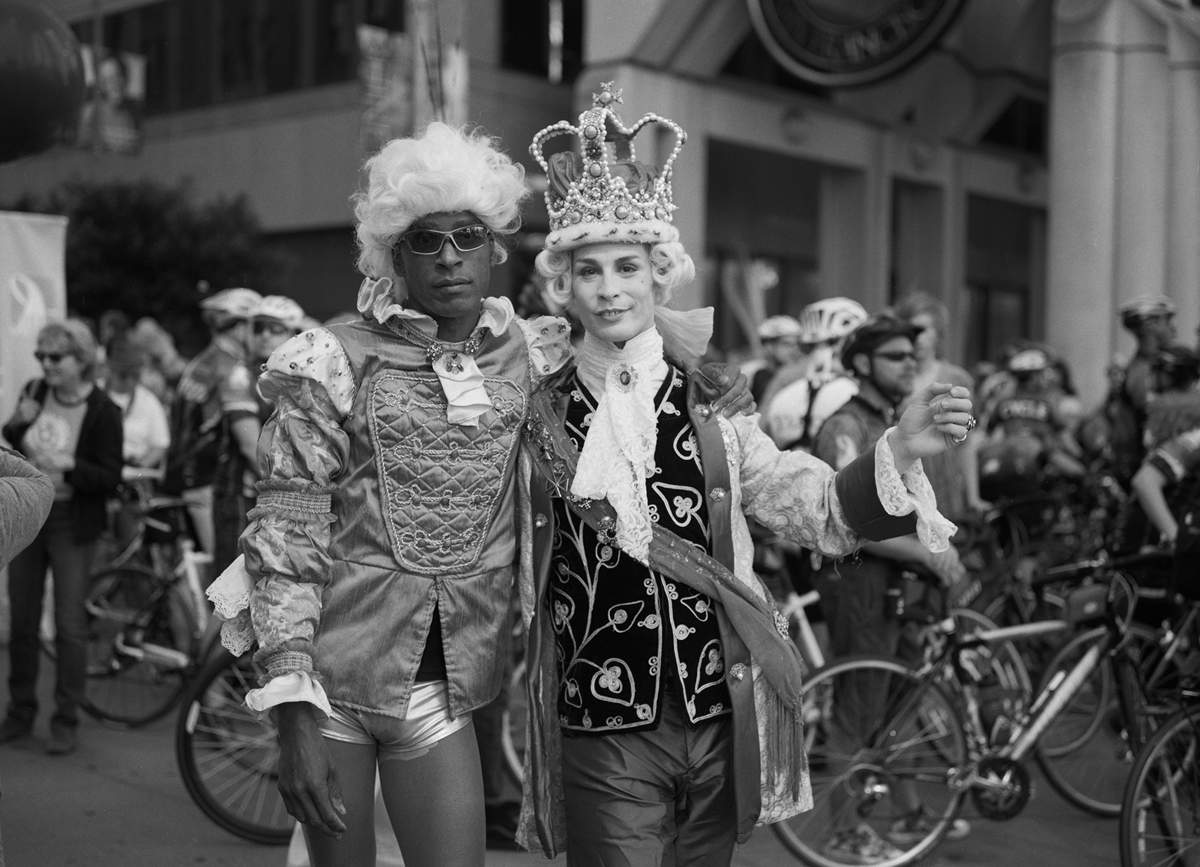
Adam Chin: I do two things. First off, I do medium format b&w film photography primarily in urban settings. (I don’t do landscapes very well.) I don’t shoot people much nowadays, but respond primarily to compositions of space, lighting, and atmosphere. I have a traditional b&w darkroom and I print all of my work.
Secondly, I explore the intersection of AI and photography. This is a combination of my professional work in computer graphics and my photographic interest. Around 2016 I became curious to see if AI could make a picture. At the time only research scientists could do this. So, I had to get nerdy and figure it out. I made a series of AI/photo artworks that pre-date the current wave of AI we are in. And I printed all of those in the darkroom.
LACP: How long have you been photographing?
AC: I started shooting in the early 1980’s. I took my first darkroom photography class as a graduate student in computer science at Stanford. It was an early indication that my heart really wasn’t into computer science, and what I really wanted to do was traditional photography.
LACP: Where did you get your training?
AC: My day job for 28 years was in CG for TV, commercials, and film. I worked daily, side-by-side with art directors, making images. So, I have a full commercial art background. Commercial art is not fine art, but it is a discipline and it does train your eye.
During this time, I went through a 14 year period where I did not take photographs. I was busy with work which was quite demanding. In retrospect, I think not taking photos for those 14 years was a mistake.
When I got back to photography as a fine art, I took darkroom classes at Rayko Photo Center, a community non-profit in San Francisco. Rayko, unfortunately, is now out of business. I took darkroom classes from Barry Umstead and he taught me a lot.
LACP: When did you know you wanted to devote your life to photography?
AC: There was never a conscious decision. After a while I recognized I have a compulsive need to make pictures. My day job in CG helped feed that, but ultimately, I found the photographic image to be far more interesting.
LACP: Did you ever come close to giving up?
AC: Only the 14 year gap where I got sidetracked working. At one point I was trying to figure out what I wanted to do with my life. And it turned out I already had the answer, it was in my medium format Fuji camera which was languishing in the closet. It’s a cliché, but the answer was “under my nose”.
LACP: Have you sacrificed anything by being a photographer?
AC: I really don’t think so. I feel lucky to have found something I’m passionate about. Not everyone has that.
LACP: What have you gained by being a photographer?
AC: I gained a community of fellow photographers, gallerists, and curators in the Bay Area where I live. That was completely unexpected. If you keep showing up, you become part of a community and that’s what happened. It’s good to get out of the house.
LACP: What classes do you teach at LACP?
AC: I’m teaching an AI and photography course at LACP. This is really quite experimental because AI is moving so fast. But it’s appropriate for me to teach because my artwork has been centered around the intersection of AI and photography.
LACP: What do you love most about teaching?
AC: I’m teaching in order to open the doors to the unexpected. I’m teaching to open my own mind through interactions with students and other artists. This is where inspiration can be found.
Teaching also strengthens the foundation of my own practice because you really have to understand what it is you’re teaching. You may think you know something, but you really don’t know it unless you can teach it.
And, of course, you’ll meet some good people and build community. As I’m learning, this may be more important than everything else.
LACP: What advice would you give someone who is thinking about making a career in photography?
AC: If photography is your thing, there’s very little I can say that will change your direction. What I will say is this: don’t get down on yourself. We live in an image saturated society, where everyone with a cell phone is a photographer. You will be out there trying to forge your own identity in photography. This is a crazy, almost impossible ask.
So, it’s important to have fun. And I live for those moments when I look at a print I’ve made and say, “ah”.