Nick Carver
About
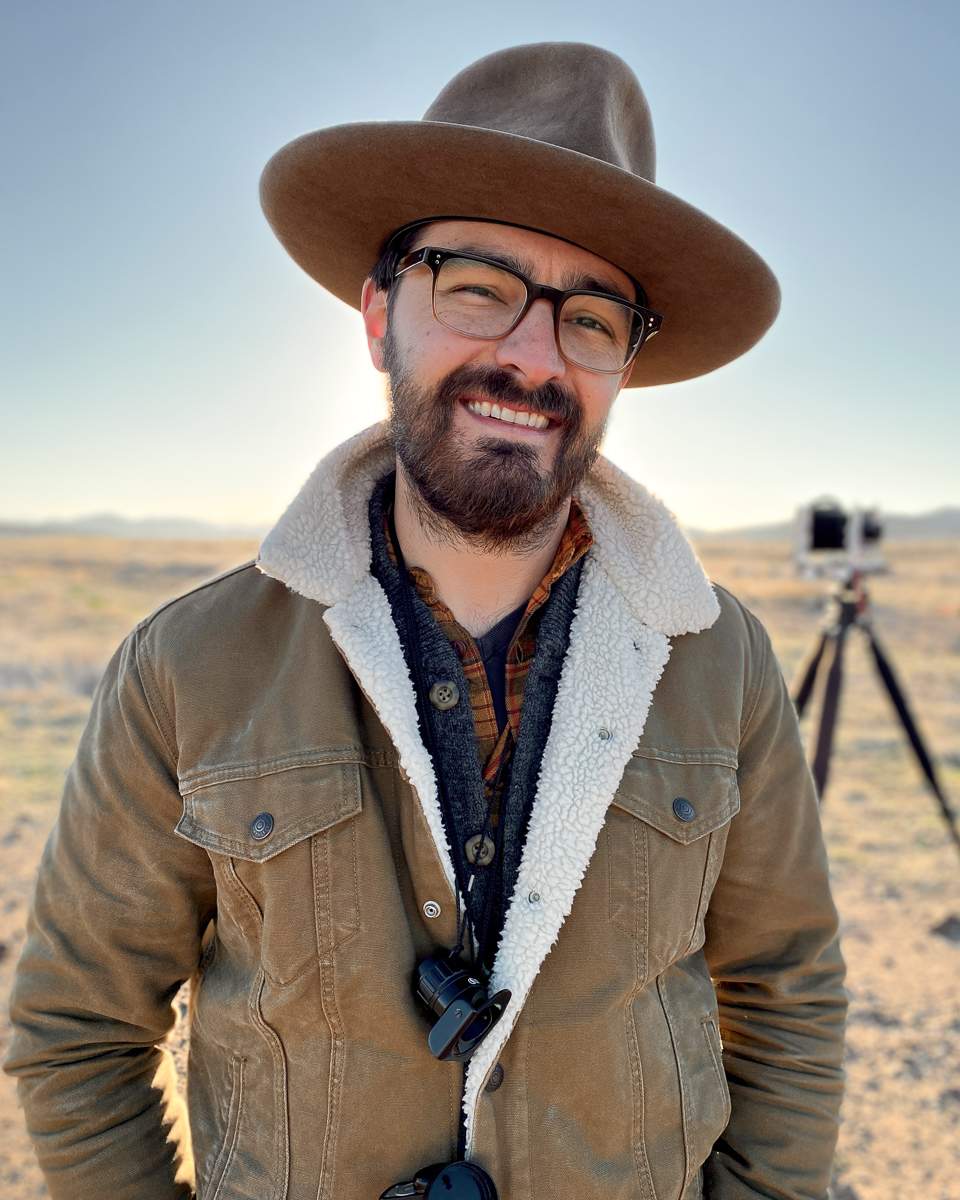
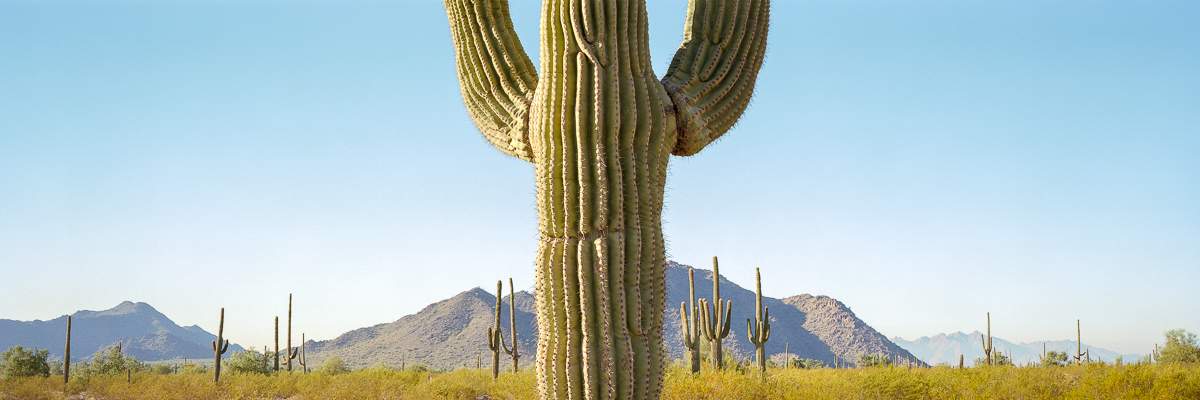
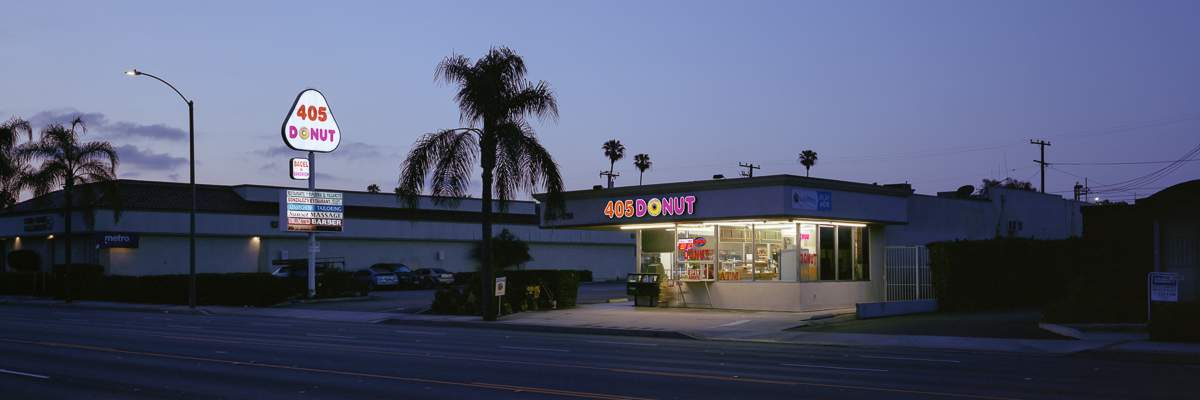
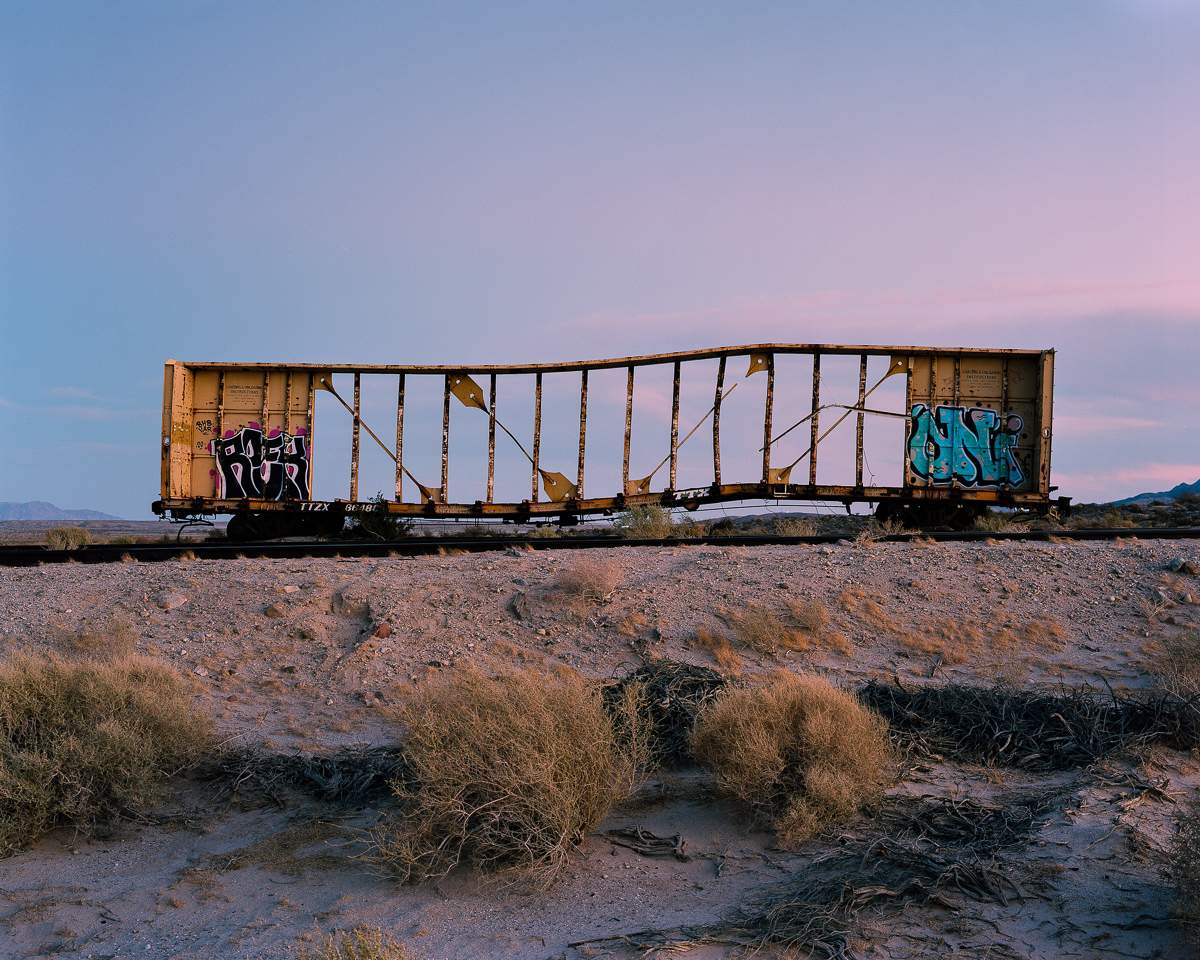
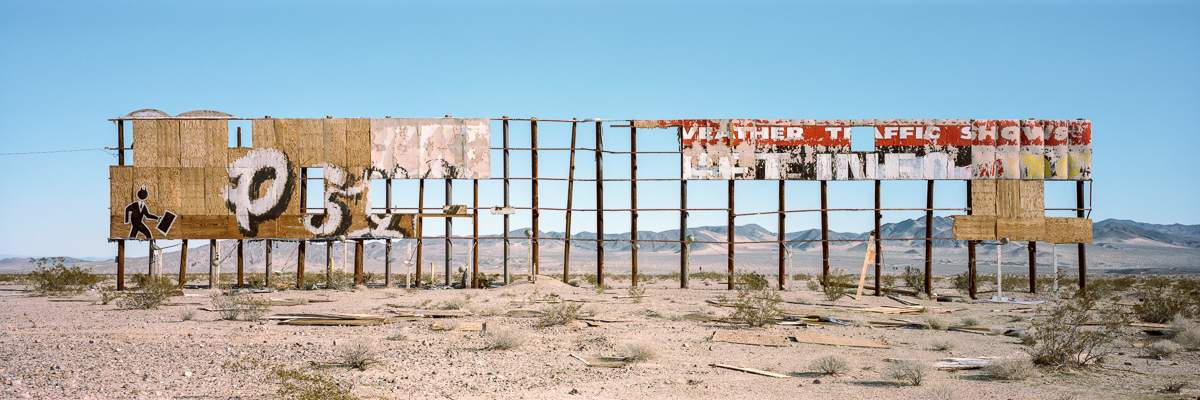
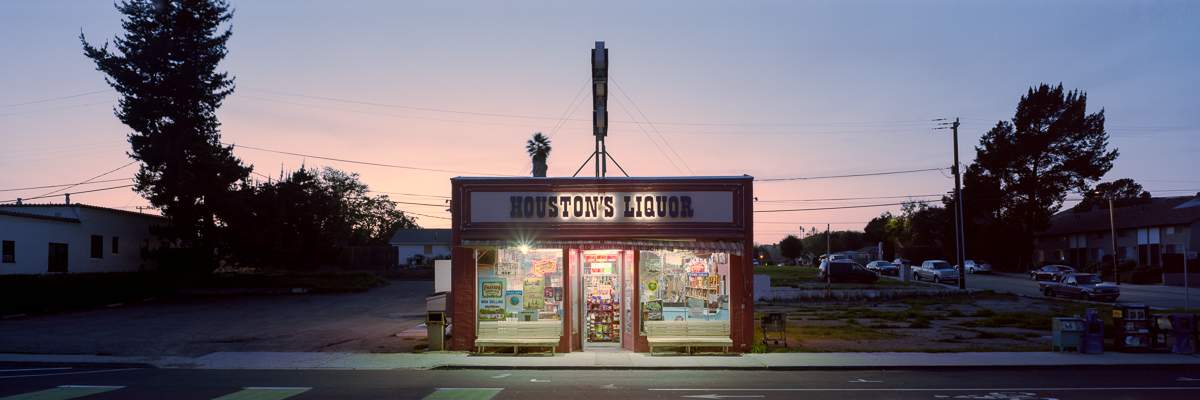
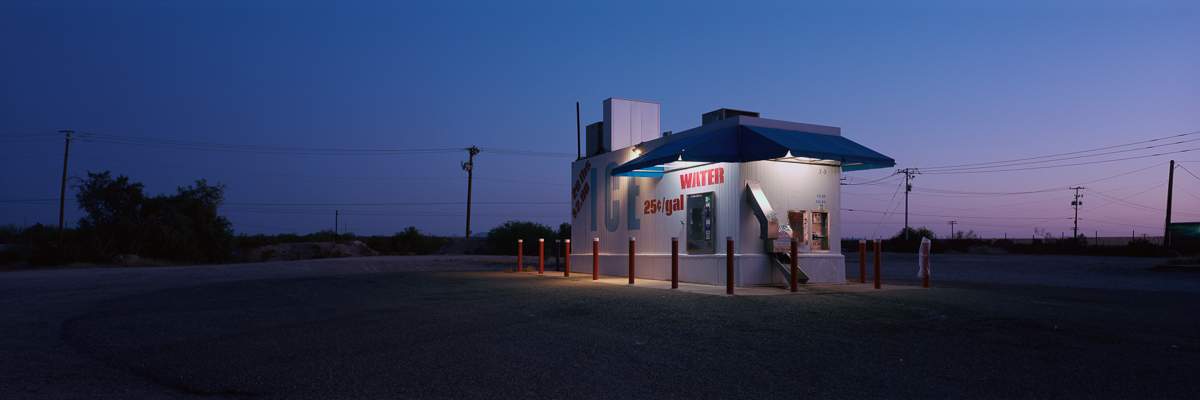
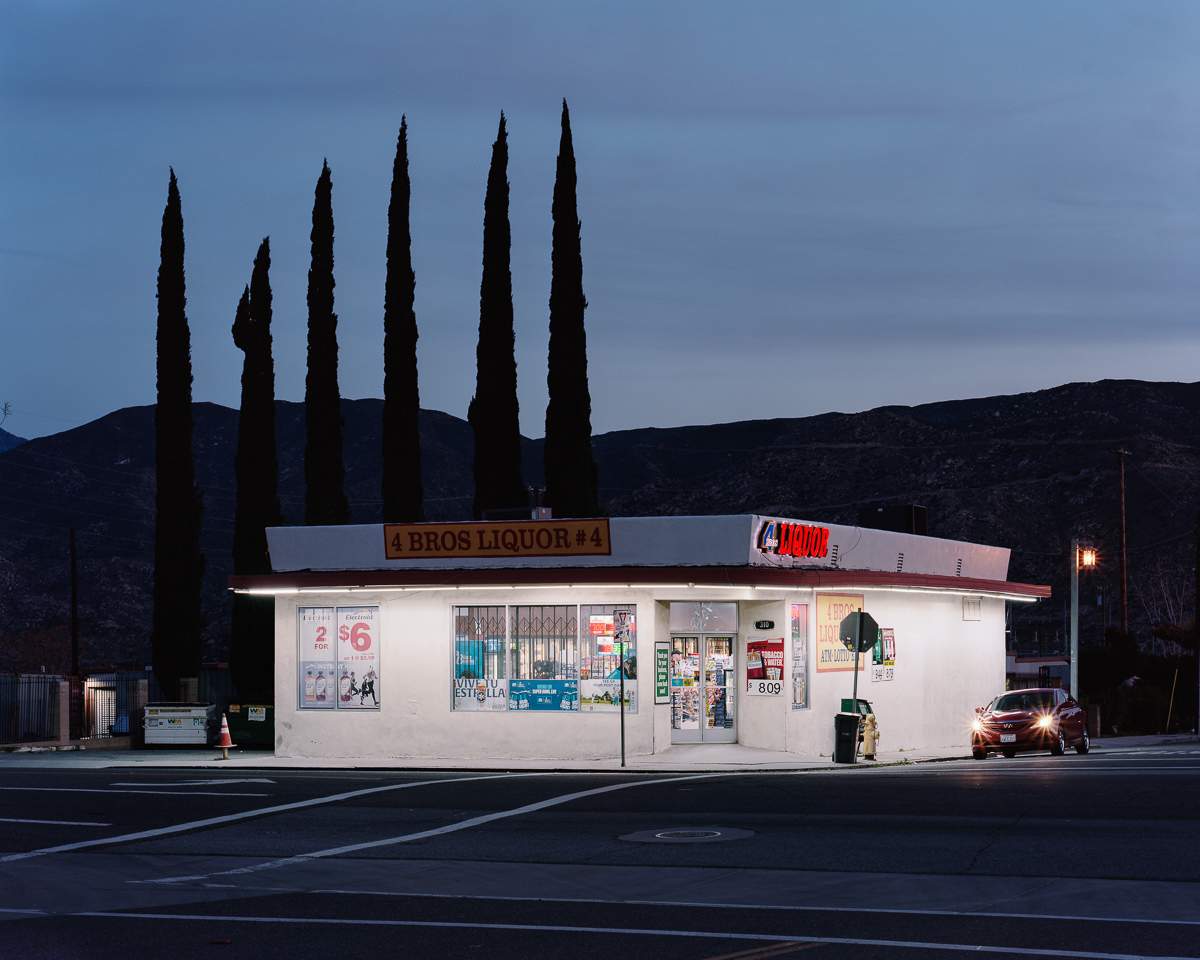
Nick Carver is a working photographer and photography instructor based in Southern California with a professional career spanning more than two decades. Although his commercial work hinges primarily on digital photography, his passion is fueled by a love for analog film in medium and large formats. Through his YouTube channel and online courses Nick has sought to entertain viewers while educating them on topics ranging from large format view camera control to precise exposure metering to fine art printing. His online courses boast students in over 30 countries on 6 continents and his YouTube channel reaches thousands of photography enthusiasts across the globe. His body of work centers on imagery of the American Southwest, mid-century architecture, and Southern Californian urban landscapes photographed using a variety of film formats. When he’s not teaching or working on an architectural photoshoot you’ll likely find him peering at the ground glass of a 6×17 panoramic view camera.
Scheduled to Teach
Gallery



LACP Interviews Nick Carver
LACP asks Nick Carver ten questions about their background, career in and beliefs about photography.
Los Angeles Center of Photography: What kind of photographer are you?
Nick Carver: I’m a working architectural photographer specializing in commercial office buildings and industrial properties. My personal work is a little more difficult to classify. I sometimes shoot natural landscapes but more often than not I shoot what would best be described as “urbanscapes” or “streetscapes”.
LACP: How long have you been photographing?
NC: I picked up my first camera in 1999. I’ve been at it in a professional capacity since 2006.
LACP: Where did you get your training?
NC: Lots of books and lots of mistakes.
LACP: When did you know you wanted to devote your life to photography?
NC: Pretty shortly after I got my first SLR camera in 1999 I knew I wanted to do this for a living. I was introduced to photography through an elective class in middle school that was all black and white film photography working in the darkroom. I was hooked instantly.
LACP: Did you ever come close to giving up?
NC: Yes. I just about quit for good in 2012. I’d lost my passion after 6 years of pursuing it professionally, having gone all-digital at the start of my career and turning my back on what made me fall in love with photography in the first place: shooting film. It was only after I made the decision to pick up a film camera again that I fell back in love with photography. I haven’t wavered since.
LACP: Have you sacrificed anything by being a photographer?
NC: Paid time off and a 401(k).
LACP: What have you gained by being a photographer?
NC: Too many things to count. I have a career that I love (most of the time), a community I feel deeply connected to, and the gift of being excited to get to work in the morning.
LACP: What classes do you teach at LACP?
NC: Medium & Large Format Analog Techniques
LACP: What do you love most about teaching?
NC: For me, there’s no better feeling than helping someone better understand photography. When their head is swimming because of all the contradictory information online, when they’re struggling to understand something and it’s making them feel frustrated or intimidated, I thrive on the challenge of solving those problems for them. My favorite thing in the world is when a student tells me “I’ve been struggling to understand this for years, and you finally made it clear for me.” Those moments are why I will never give up teaching.
LACP: What advice would you give someone who is thinking about making a career in photography?
NC: Turning your passion into a career can be a wonderful thing. But as soon as you make that decision don’t ever forget it’s a business first and foremost. The photos you love to take may have no market. The photos you hate to take may pay the bills. Identify your strengths and take an honest look at the demand for the product you want to sell. Because when bills need to get paid you may have to massage your photographic interests into something that scarcely resembles the thing you fell in love with. If you’re willing to make that compromise, great! But if not, you risk learning to hate the thing you once loved.