Sara Abbassi
About
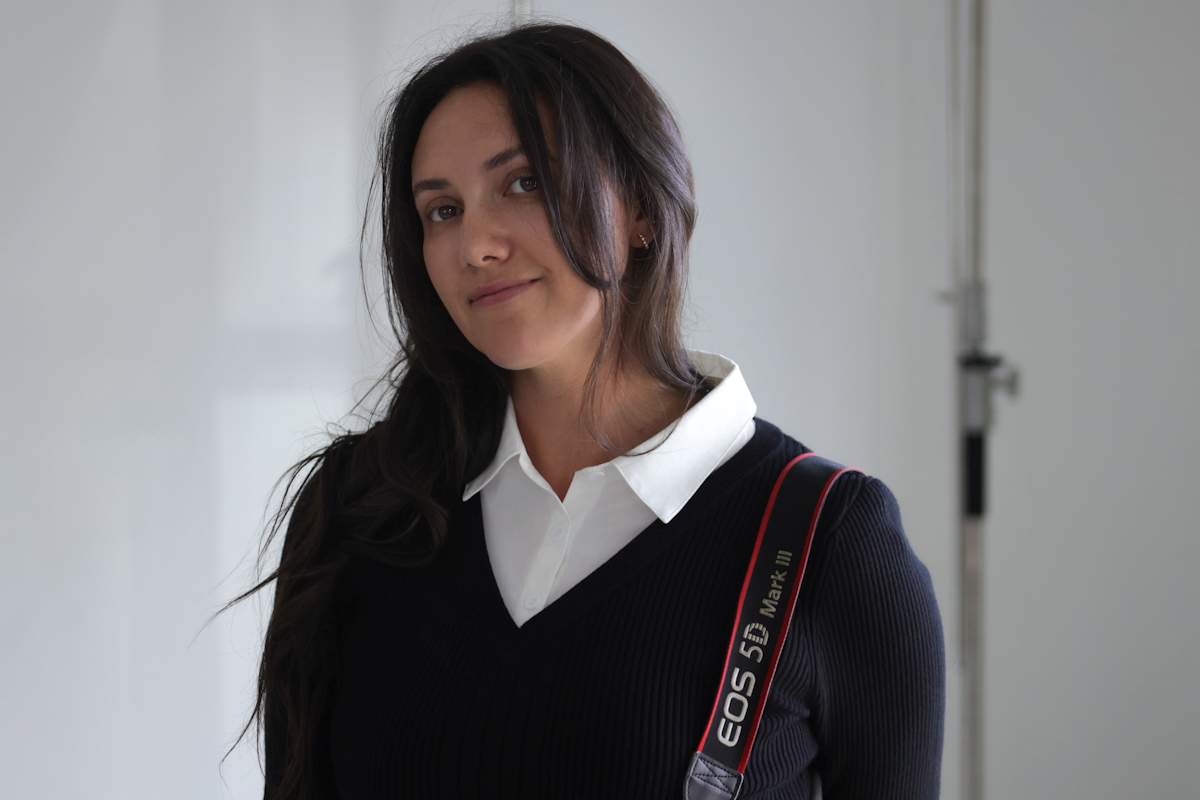
Sara Abbassi is a photographer and educator whose work focuses on boudoir, feminine portraiture, and travel photography. She teaches photography across the country, helping students build confidence, find their voice, and understand photography as the art of controlling light, shaping mood, and creating connection.
Scheduled to Teach
Gallery






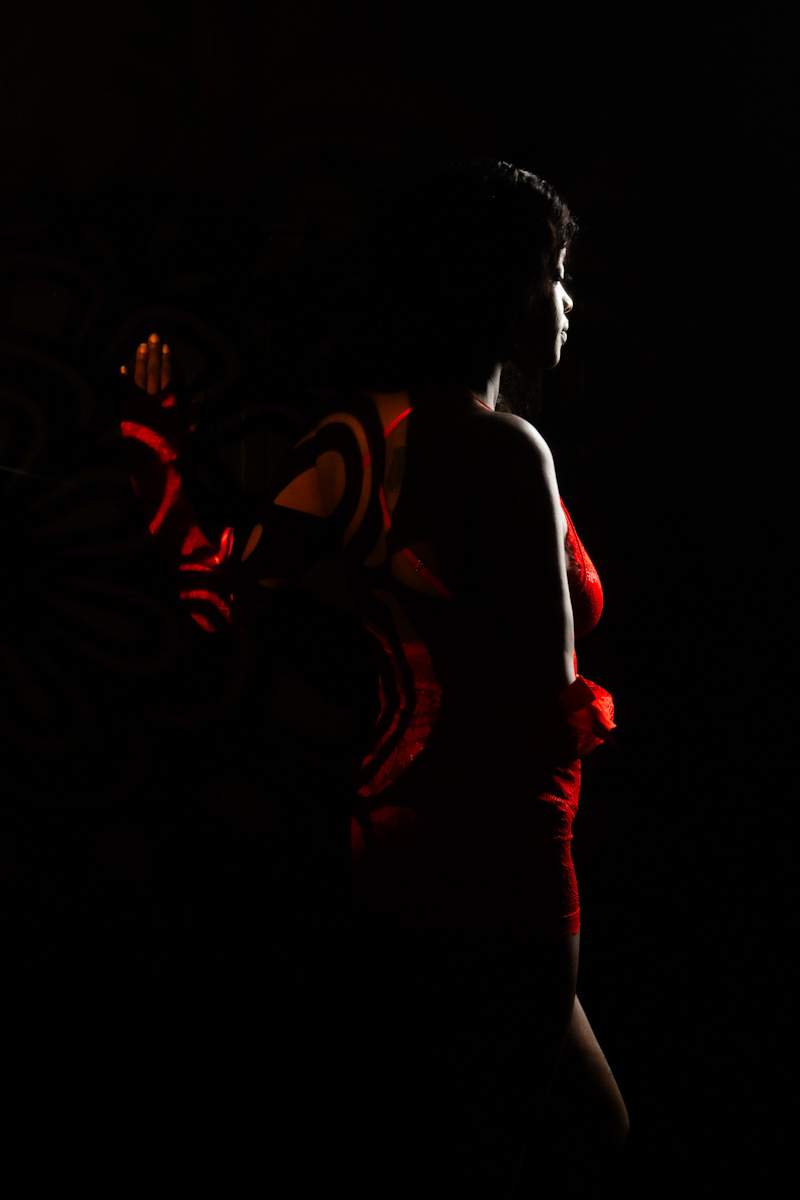
LACP Interviews Sara Abbassi
LACP asks Sara Abbassi ten questions about their background, career in and beliefs about photography.
Los Angeles Center of Photography: What kind of photographer are you?
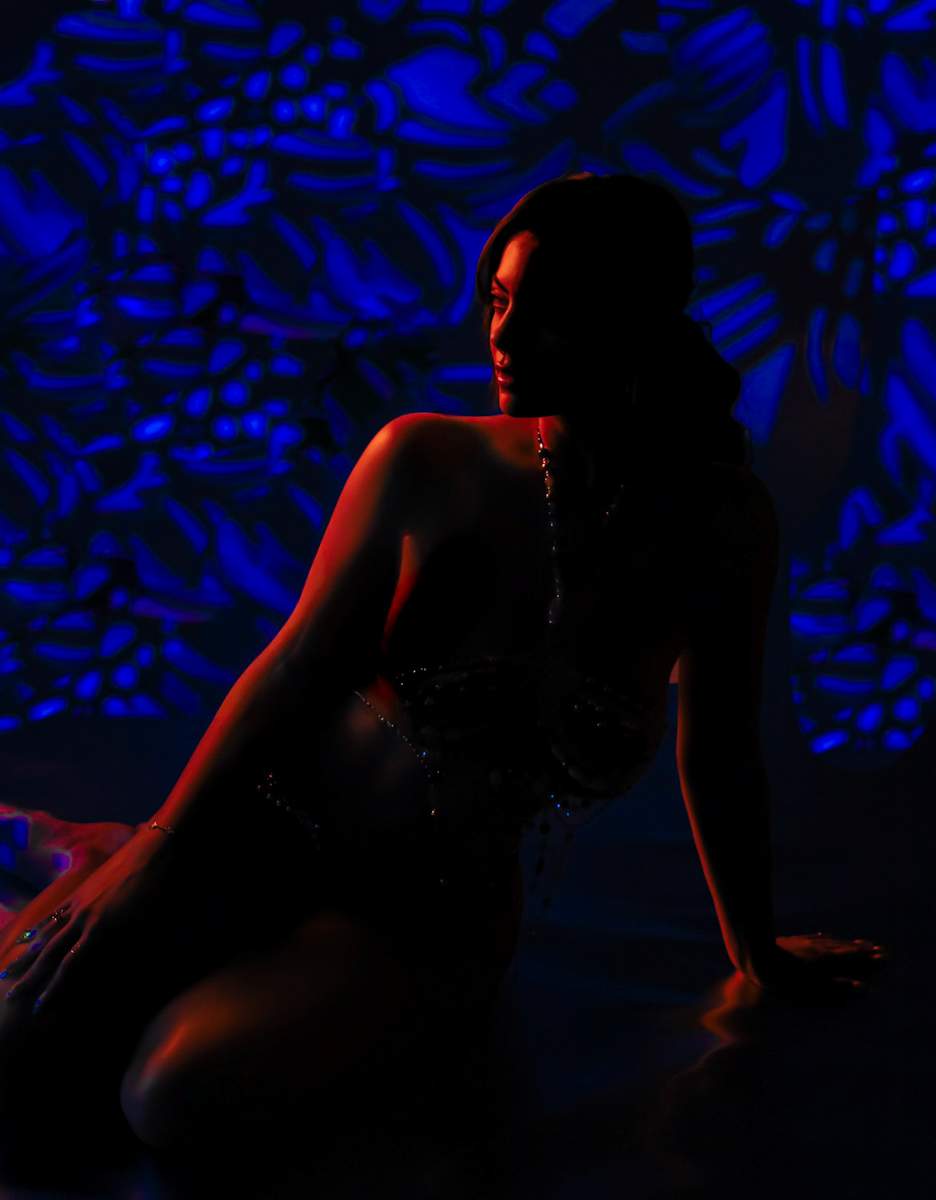
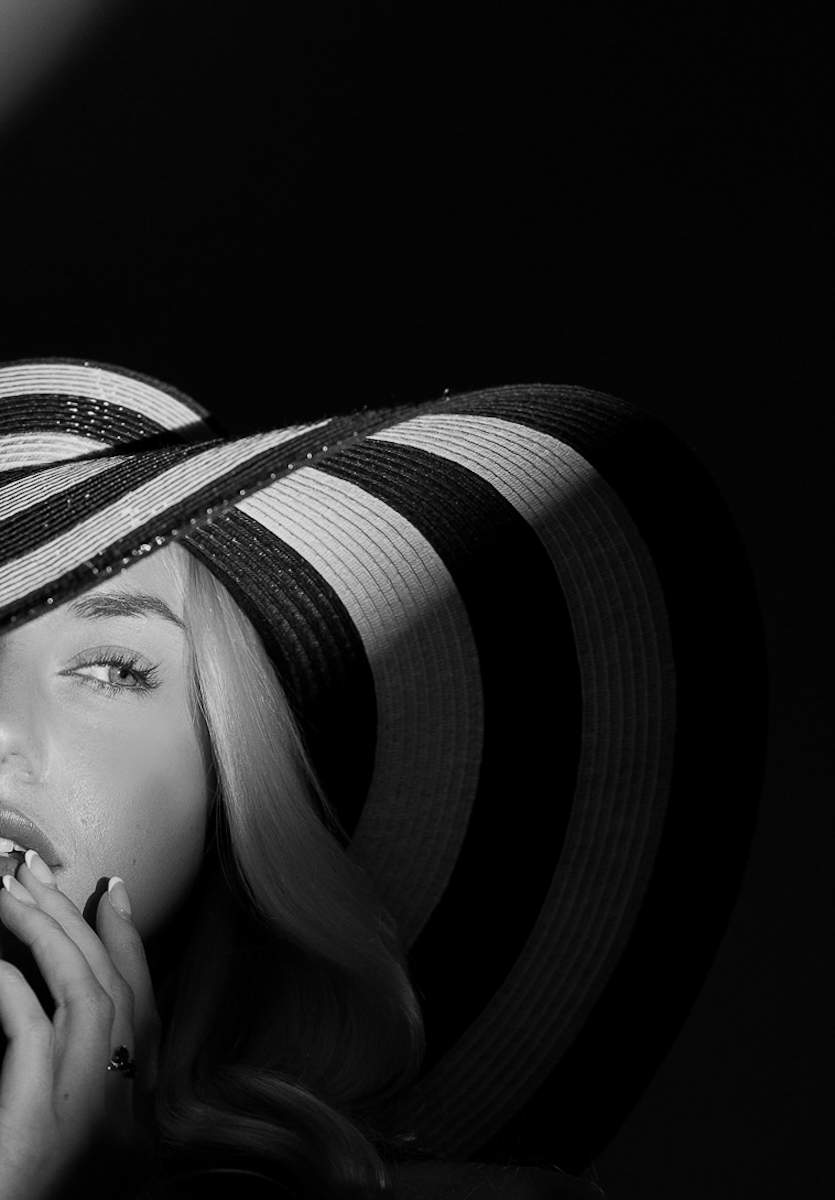
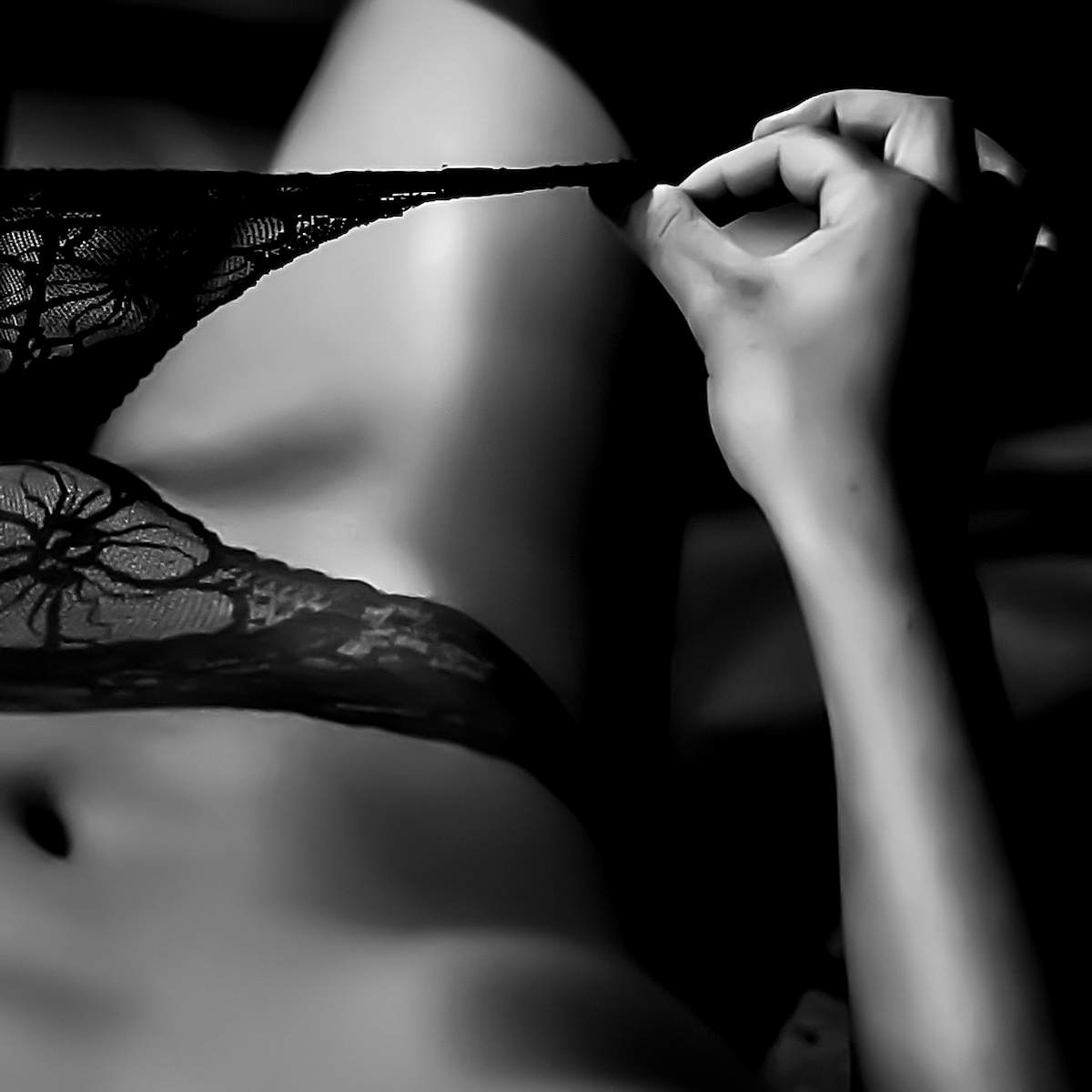
Sara Abbassi: I’m a portrait and boudoir photographer. Over the years, I’ve photographed a little bit of everything, and I think that has really shaped the way I see and create today. My current focus is feminine portraiture and travel photography. Studio work taught me how to shape light and create mood, while travel photography taught me to stay curious and find beauty in everyday moments. Both have influenced the way I photograph today. At the end of the day, I love creating images that help people and the places around us feel seen, appreciated, and important.
LACP: How long have you been photographing?
SA: I’ve been photographing for over a decade, both personally and professionally. Starting in high school with anyone willing to step in front of my little point and shoot camera so I could practice and learn. Since then, it has grown into a full photography career that includes client work, running my studio, specializing in boudoir, and teaching photography across the country.
LACP: Where did you get your training?
SA: My training has been a mix of hands-on experience, formal education, and mentorship. I started working in a portrait studio in a mall while I was still in high school, and that is where I realized I learn best by doing. From there, I started assisting photographers in New York, all types from wedding photographers to studio photographers, where I learned so much about working quickly, understanding light, posing real people, and making quick creative decisions.
I later studied Arts Management at SUNY Purchase and took a darkroom photography class, which helped me understand camera settings, exposure, and light in a much deeper way.
Some of my best training came from interning and assisting with fashion and portrait photographer Lindsay Adler, managing a photography studio in SoHo, and freelancing with my own clients at the same time. Those experiences taught me not just how to make strong photographs, but how to run a shoot, communicate with people, and build a real career in photography.
LACP: When did you know you wanted to devote your life to photography?
SA: I feel like I am one of the lucky ones who found my passion for life at a young age. Photography has been a motivating factor in so many areas of my life — the reason I travel, the reason I connect with people, and the reason I keep pushing myself creatively.
I knew I wanted to devote my life to photography when I realized it was more than just something I loved doing. It became the way I see the world and the way I understand people, places, light, and emotion.
In my opinion, photography is one of the greatest hobbies or career you can have because it is a never ending journey. I feel very blessed that I get to call it both.
LACP: Did you ever come close to giving up?
SA: Yes, absolutely. I think most working artists have moments where they question everything. Photography can be a beautiful career, but it is also emotionally, financially, and creatively demanding. There have been seasons where I felt overwhelmed by the business side, comparison, uncertainty, or the pressure to constantly evolve.
But every time I came close to giving up, photography pulled me back in. A client would explain how much it meant to her to see herself differently in a photograph we made together, a student would have a breakthrough, or I would find myself chasing light in a new place and remember why I started.
LACP: Have you sacrificed anything by being a photographer?
SA: I think anything worthwhile requires sacrifice. A career in photography often means giving up stability, comfort, and a predictable path. I’ve had to let go of the idea of a traditional career timeline and instead build my own.
Over the years, I’ve invested in equipment, education, travel, studio space, and creative risks—but just as importantly, I’ve built my career through relationships and by saying yes to opportunities even when the outcome was uncertain.
There is also a personal sacrifice that comes with a creative life. You are often working when others are off, carrying your camera everywhere, and constantly thinking about the next idea, client, or project. But for me, those sacrifices have also shaped the life I wanted to create.
LACP: What have you gained by being a photographer?
SA: Photography has given me freedom, confidence, purpose, and a way to understand the world. It has taken me to incredible places and introduced me to people I may have never met otherwise.
It has also given me the ability to help others see themselves differently. That is one of the greatest gifts of this work. Whether I am photographing a boudoir client or teaching a student how to use light for the first time, photography gives people permission to slow down, notice, and feel something.
Photography has helped me appreciate the small, in-between moments that often go unnoticed….moments that are here one second and gone the next.
LACP: What classes do you teach at LACP?
SA: At LACP, I teach boudoir photography in a welcoming space for all levels, with a focus on light, posing, confidence, and creative direction.
My goal is for students to leave with a strong portfolio they can continue to build—a body of work that feels intentional and consistent. I also want them to see how beautiful boudoir can be when it’s kept simple and elegant, using space and equipment they already have.
A big part of the class includes live demonstrations with a model to break down common misconceptions about boudoir and show how much of it comes down to comfort, trust, and direction. Once people feel at ease in front of the camera, everything else—light, posing, and expression—falls into place naturally. From there, we build both the technical and creative side: lighting, composition, camera settings, posing, editing, and how to guide someone with care and intention.
LACP: What do you love most about teaching?
SA: I love sharing my passion for photography, and one of the best things I’ve heard from students is when they tell me my excitement for it is contagious.
I really love that moment when something clicks for a student—when they stop guessing and start making intentional choices.
For me, photography is so much more than having the best camera or the perfect location. It’s about learning how to see, understanding light, noticing details, and finding your own way of telling a story.
And honestly, I never get bored of teaching. Every student brings a different perspective, different questions, and that keeps me inspired and learning too.
Teaching constantly reminds me that photography is alive, personal, and always evolving.
LACP: What advice would you give someone who is thinking about making a career in photography?
SA: My biggest piece of advice is to remember that there are no rules for what a photography career has to look like. You can be a full-time photographer, a part-time photographer, a portrait photographer, pet photographer, an artist, or someone who takes on paid work quarterly or monthly. It doesn’t have to look the same for everyone.
I also encourage photographers to reach out to people they admire. Find photographers in your area and offer to assist, shadow, and learn from them while also bringing value whenever you can. Even if you’re new, an extra set of hands on a shoot can be a huge help. In exchange, you get to see how working photographers interact with clients, use light, solve problems, and run a shoot. Having a strong mentor can make a huge difference, and learning from real-world experience is one of the best ways to develop your own workflow and approach. Put yourself in rooms with people who inspire you and challenge you to grow. I would not be the photographer I am without my mentors.
Master the basics, learn light, work with people, and shoot as often as you can. At the same time, stay flexible. There are many paths in photography, and if one doesn’t work out, you can always take another road.
Most importantly, don’t wait until you feel ready. Confidence comes from doing. Photography is a never-ending journey, and one of the things I’ve learned is that success looks different for everyone. Build a career that fits your life, stay curious, and keep creating.