Shane Rocheleau
About
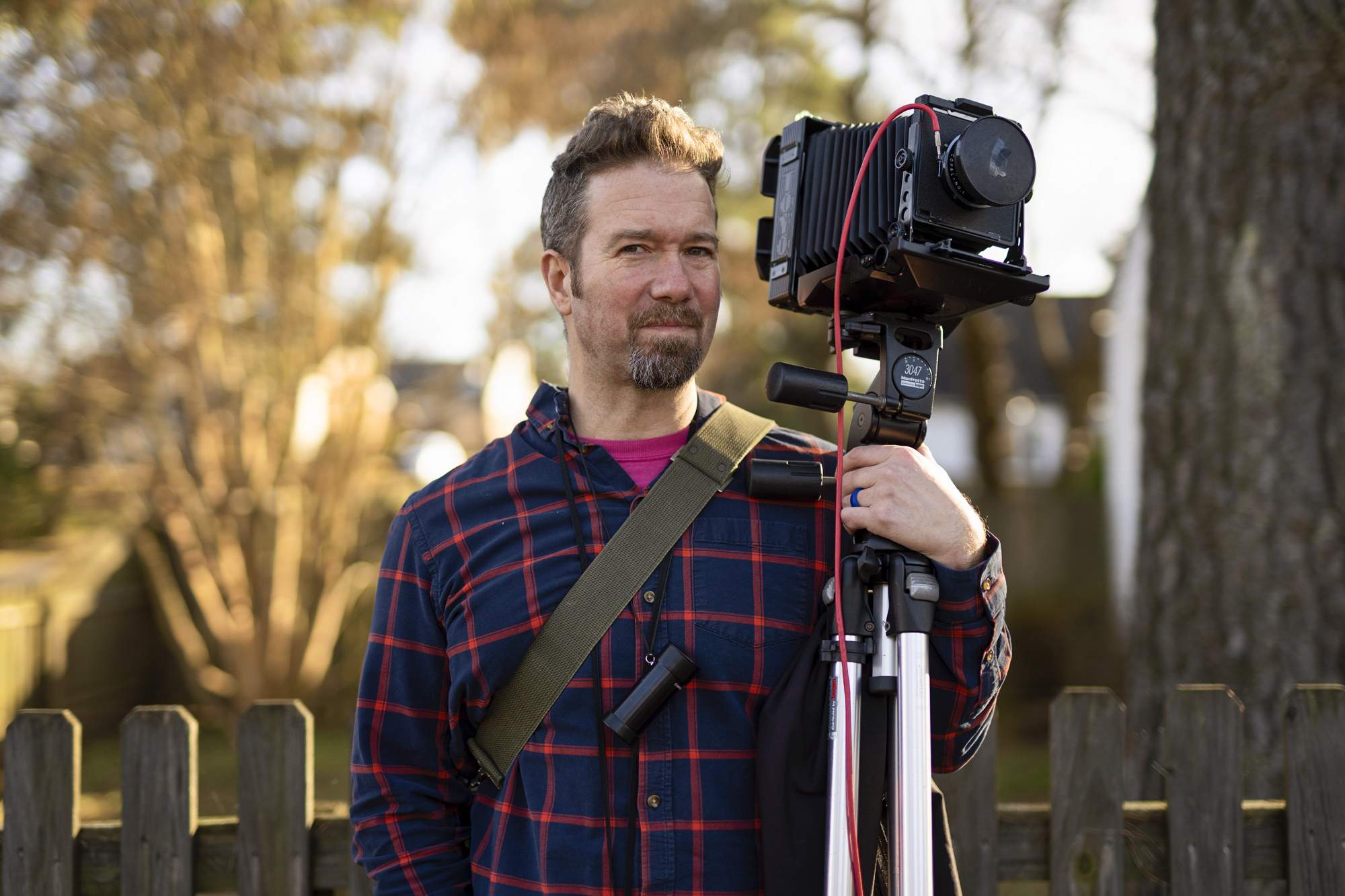
Shane Rocheleau (MFA, Virginia Commonwealth University) is an American photographer who confronts the endemic position of toxic masculinity and white supremacy within the American experience.
Rocheleau has exhibited in the United States, Spain, Russia, Brazil, Australia, Ukraine, The United Kingdom, India, and Germany. His photographs have been featured in a wide variety of print and online publications, including Aperture’s The PhotoBook Review, Dear Dave Magazine, The Washington Post, and British Journal of Photography.
Rocheleau’s three monographs – You Are Masters Of The Fish And Birds And All The Animals (2018), The Reflection In The Pool (2019), and Lakeside (2022) – are published by Gnomic Book. His work is variously collected by the Museum of Modern Art, Tate Britain, the Vogue Italia Collection, and Fondazione Teatro Regio di Parma, amongst others.
Rocheleau is a 2023 Guggenheim Fellow and currently lives and works in Richmond, Virginia.
Scheduled to Teach
Gallery
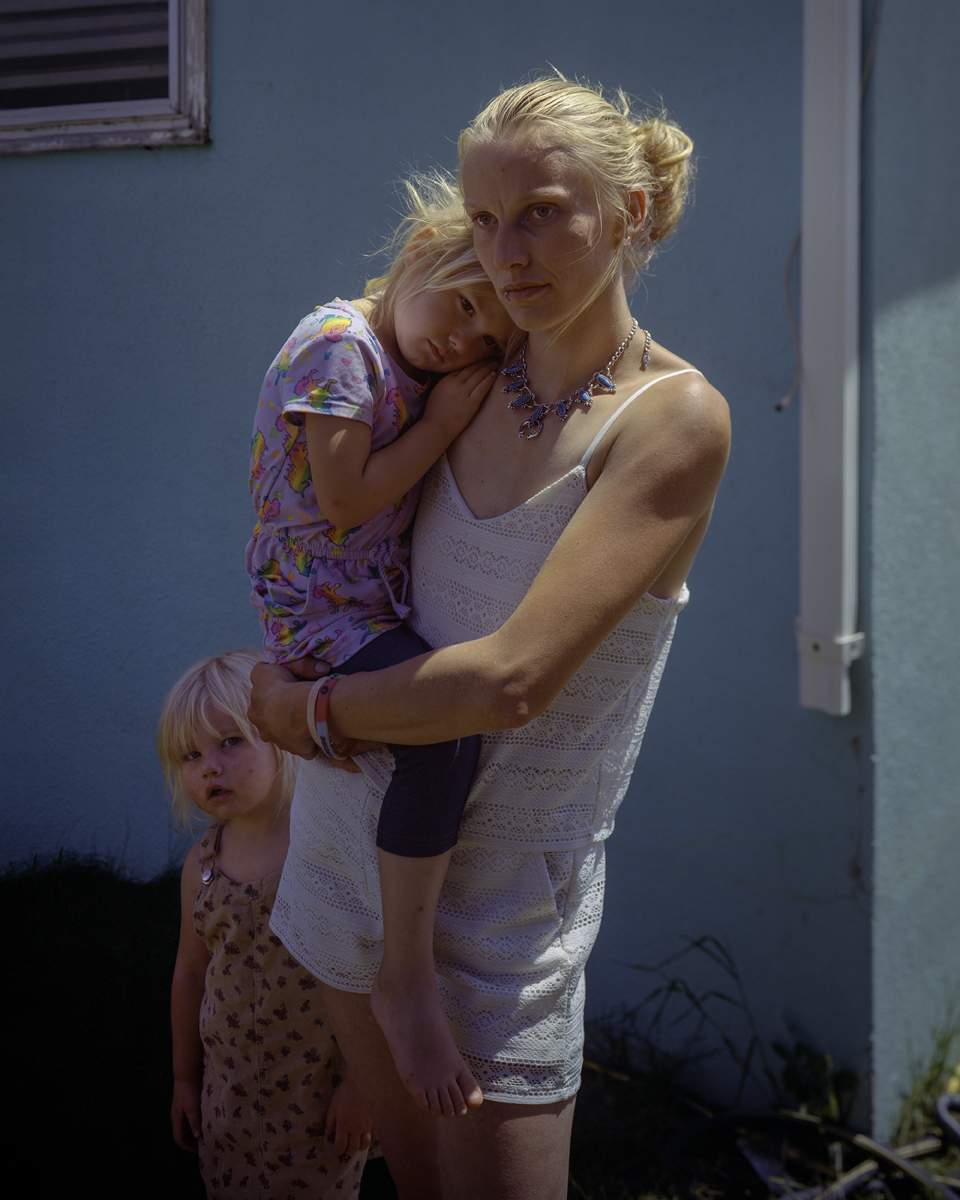
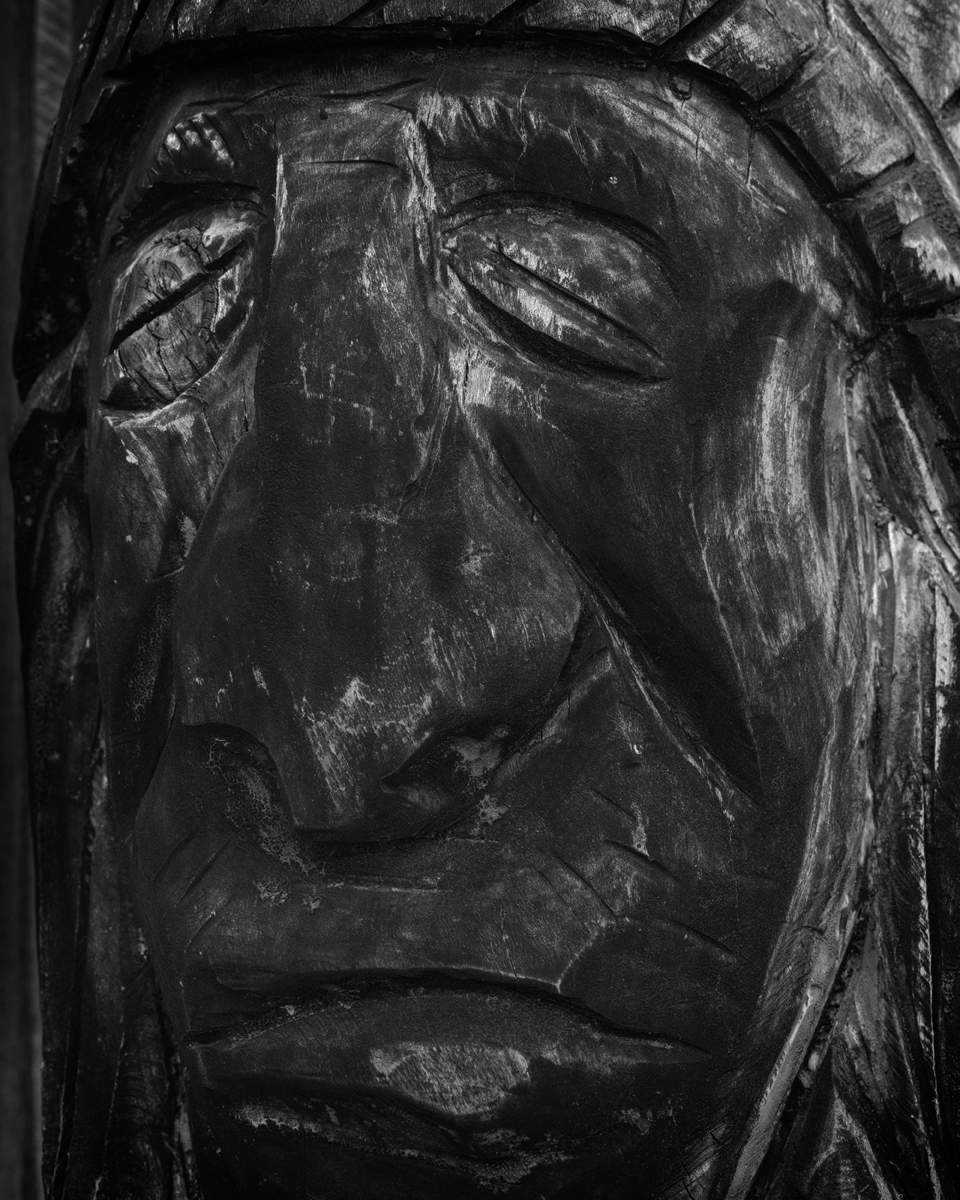
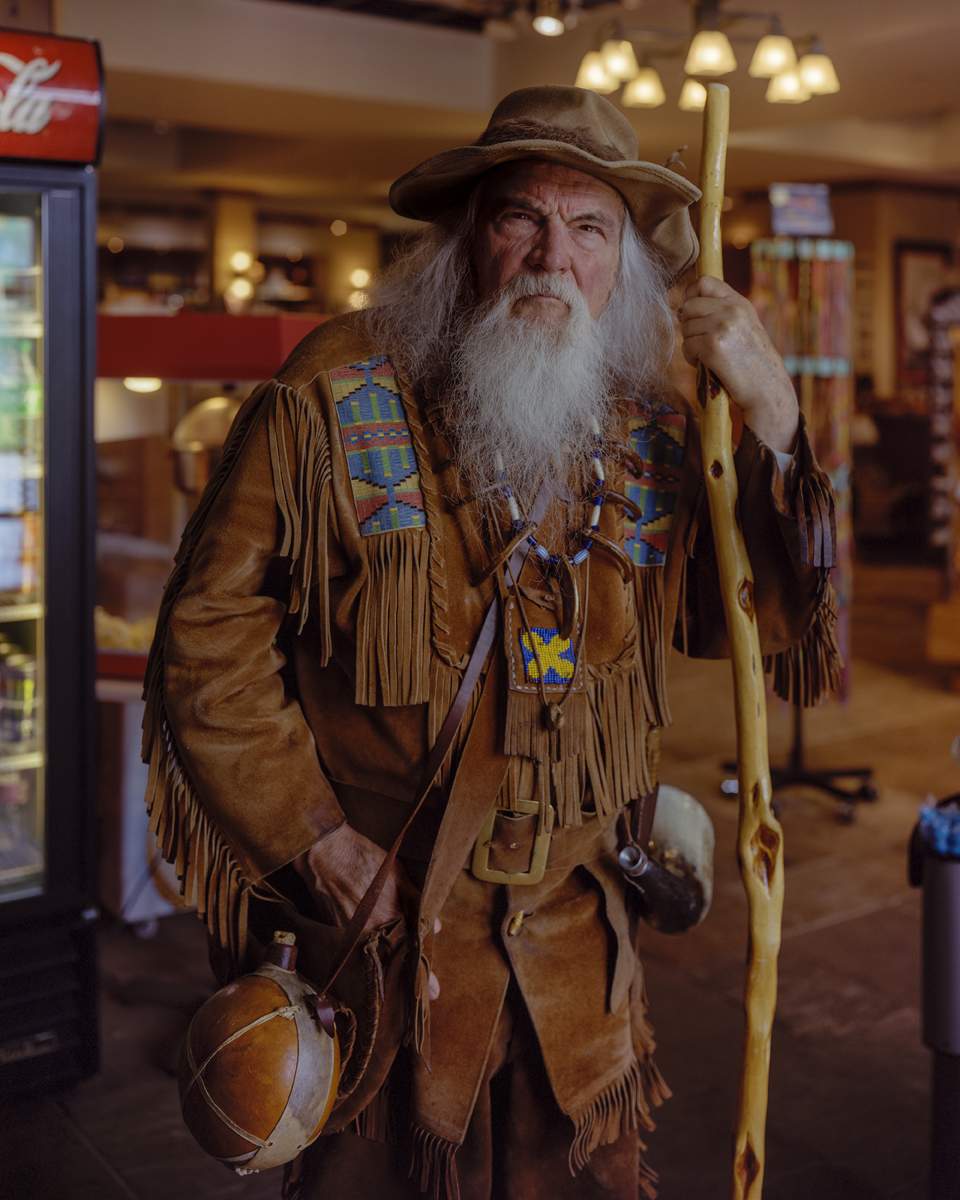
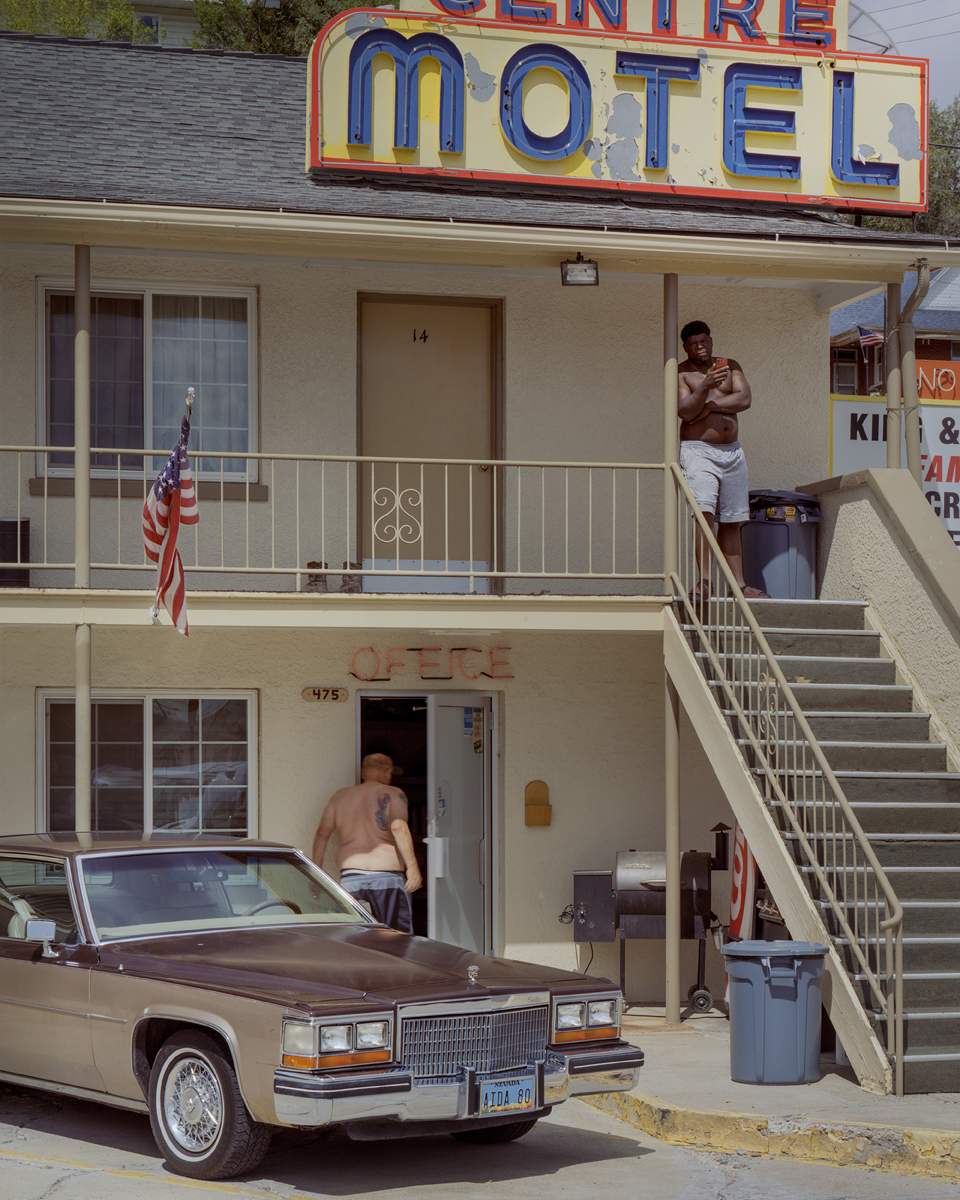

LACP Interviews Shane Rocheleau
LACP asks Shane Rocheleau ten questions about their background, career in and beliefs about photography.
Los Angeles Center of Photography: What kind of photographer are you?
Shane Rocheleau: I’m an artist. If I had to label my work — something I’m not entirely comfortable with — I’d call it lyrical documentary. I found photography through an enduring interest in writing & drawing, psychology, pathology, culture, and myth. The photograph is paramount to my process but
still remains only a facet of my art; it can not encompass the totality of what I want to say as a
human being.
LACP: How long have you been photographing?
SR: Since a few months after I graduated college (BA in Psychology and English) in 1999. I initially
wanted to be a writer and wasn’t on a quest for another medium. Two friends and I went on a
post-college cross-country trip. I’m not sure I expected to succeed, but, nonetheless, I decided
I should try to write the Great American Road Trip Novel (my naïveté knew no bounds!). Our
first morning, after camping the night on the shore of Lake Eerie, we awoke rearing for the
road. My buddy handed me his little Kodak Advantix camera on the Eerie beach: “Take a quick
pic of me”. When I released the shutter I discovered something; I just didn’t know what. I
never gave him that camera back.
LACP: Where did you get your training?
SR: Firstly? Books! Monographs by photographers such as Ansel Adams, Minor White, and Wynn
Bullock. Ansel Adam’s three books, The Camera, The Negative, & The Print were my first
technical teachers. I eventually found a mentor at the small community darkroom at The
University of Vermont named Chad Harter. He was profoundly generous to me, and I can’t
imagine I’m where I am now without him. Eventually I attended Maryland Institute College of
Art for a year and earned a Post-Baccalaureate Certificate in Fine Art. I then studied at Virginia
Commonwealth University and earned my MFA in Photography and Film.
LACP: When did you know you wanted to devote your life to photography?
SR: A week or two after that first photograph on the Lake Eerie shore. I was somewhere in
Montana. I remember calling my parents and telling them exactly that.
LACP: Did you ever come close to giving up?
SR: There have been moments when I felt like I could no longer speak through the medium or like
my life circumstances would soon preclude my practice. In those moments it felt like the end
was nigh. Hindsight has only thus far revealed that the same ebb and flow that consummates
a life also consummates my practice.
LACP: Have you sacrificed anything by being a photographer?
SR: There’s no other way to do it, I don’t think. I do this at the expense of that, whatever that may
be. More tangibly, though? I’ve sacrificed a robust bank account in favor of a well-lived life.
But is that really sacrifice?
LACP: What have you gained by being a photographer?
SR: A good and decent and engaged life. Friends. Love. Meaning. I guess I imagine I’m happy
Sisyphus?
LACP: What classes do you teach at LACP?
SR: At the moment, I’m a mentor for Timeline: Richmond to Washington, D.C. Corridor.
LACP: What do you love most about teaching?
SR: My and my students growth. The creation of a community around honesty. The opportunity to
dive into objects and topics and technologies I’m ecstatically passionate about and to do so
with others who share a passion for similar things, similar ways of being, or, even, a similar
passion for passion.
LACP: What advice would you give someone who is thinking about making a career in photography?
SR: We’re told we can be whatever we want to be when we’re kids. Then we become adults.
Remember that child and listen.