Rose Cefalu
About
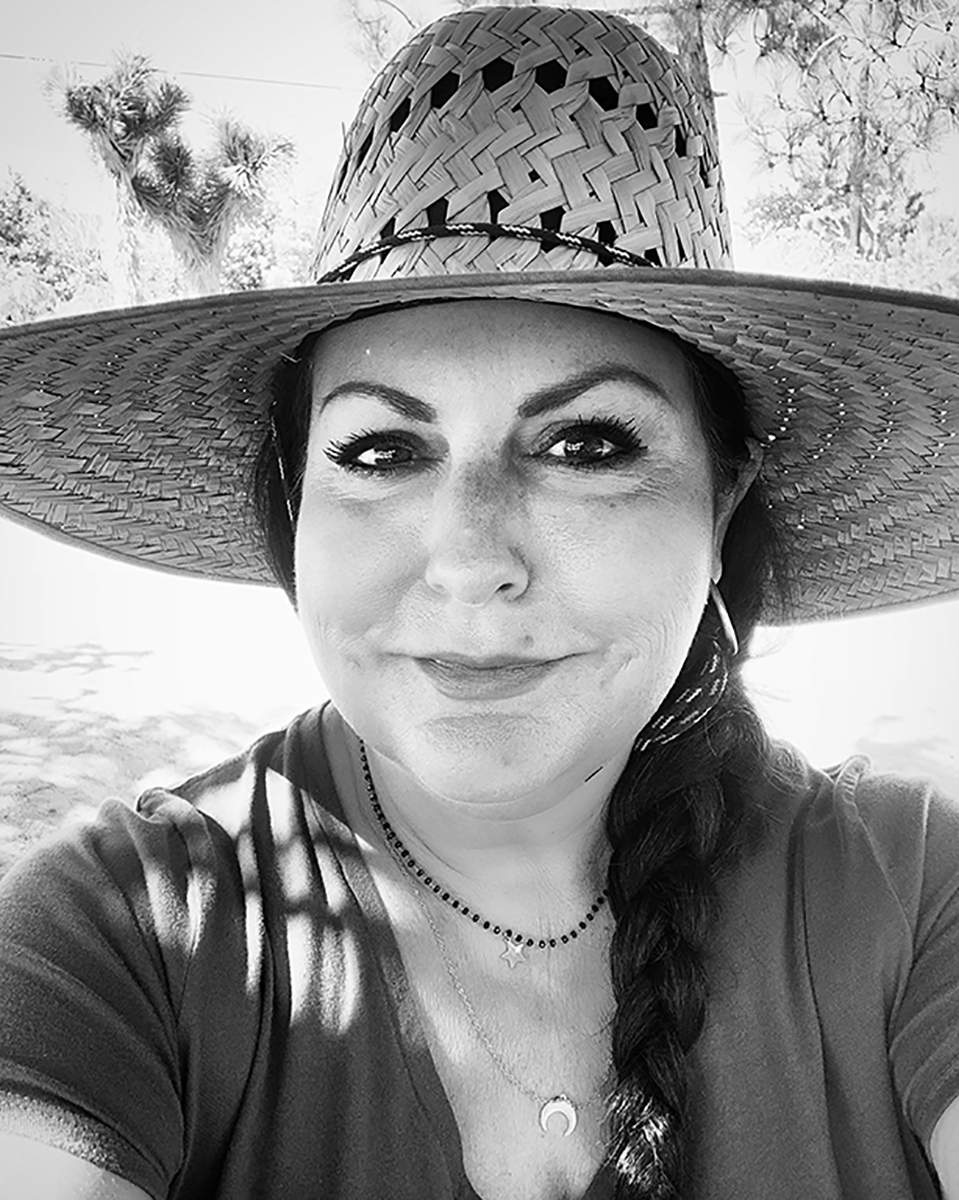
Every day, Rose Cefalu can be found exploring new ways to capture light — whether through an iPhone lens, a camera, or her hands in the studio. A visual storyteller at heart, she balances her creative practice between fine art, editorial photography, and teaching.
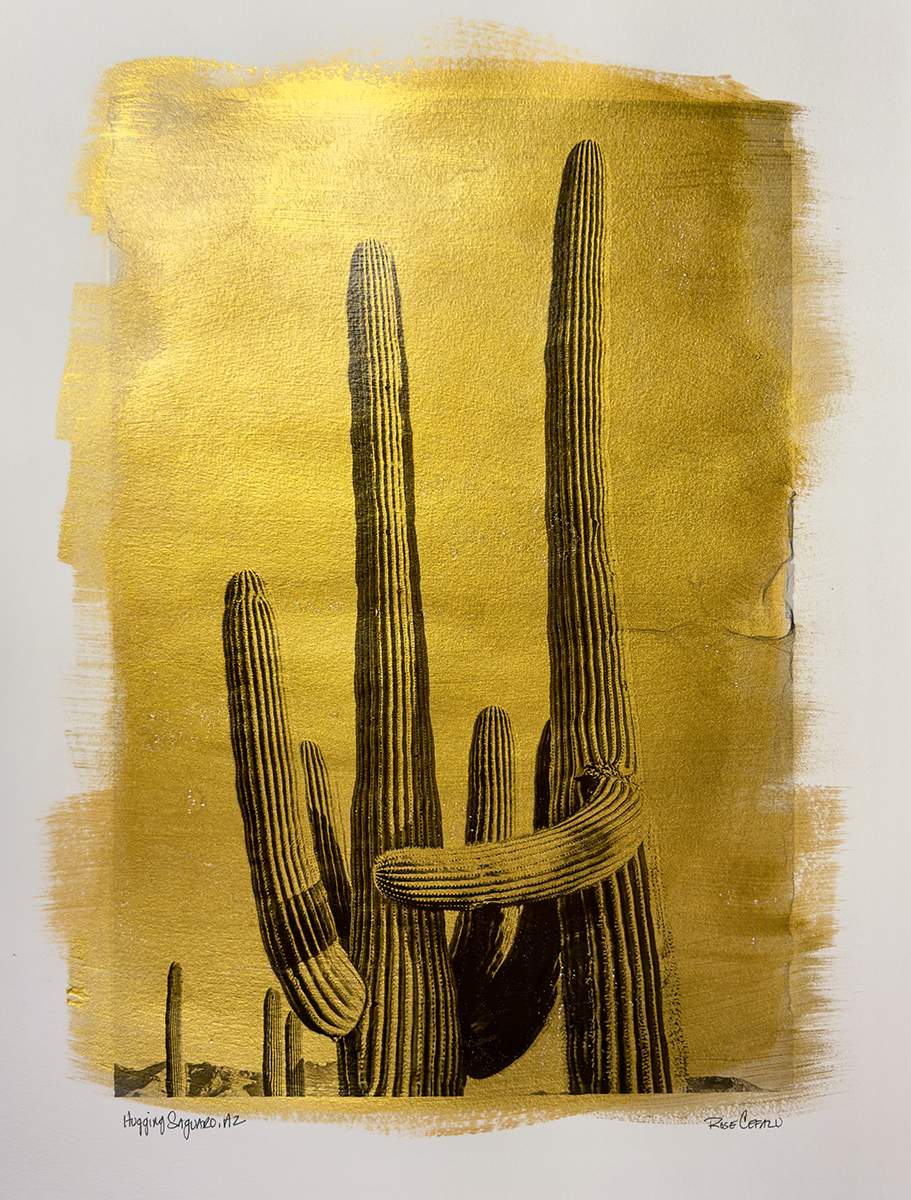
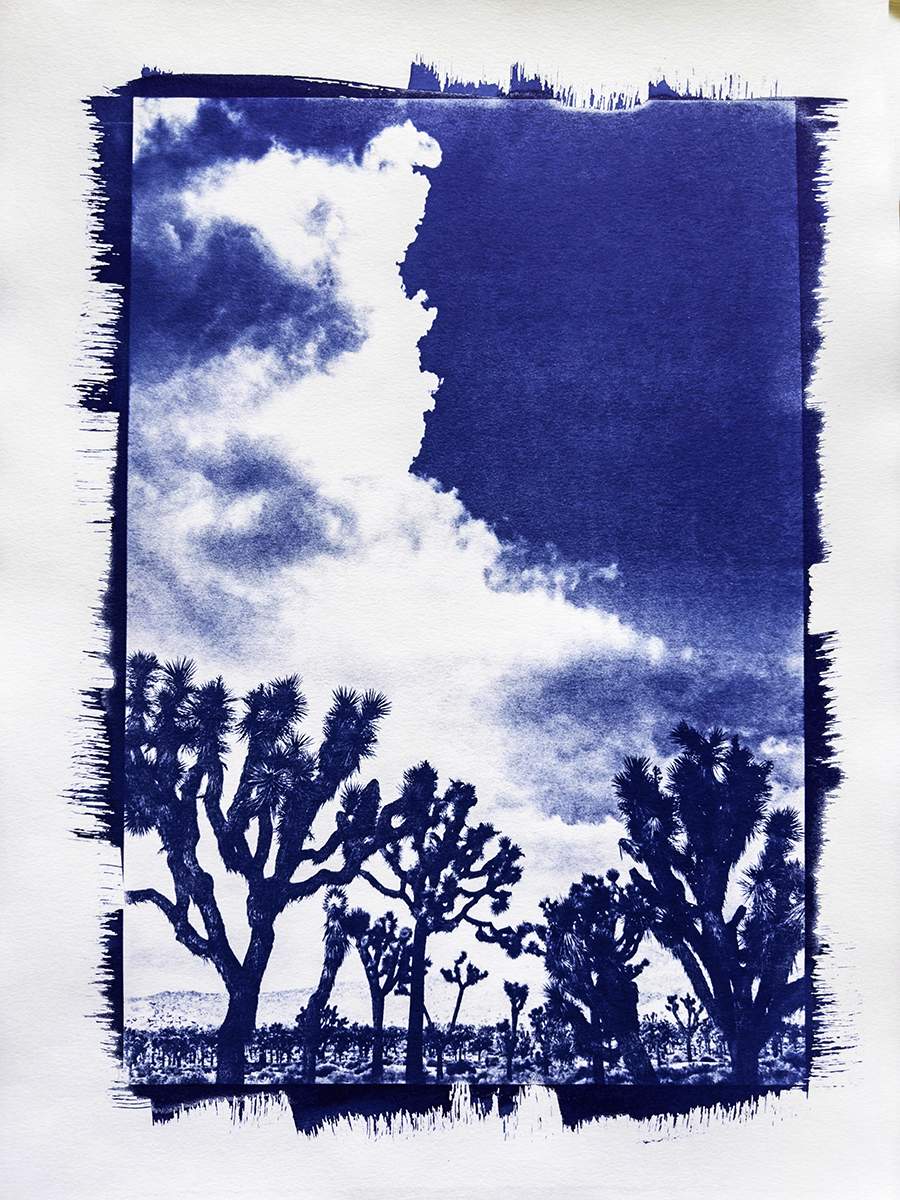
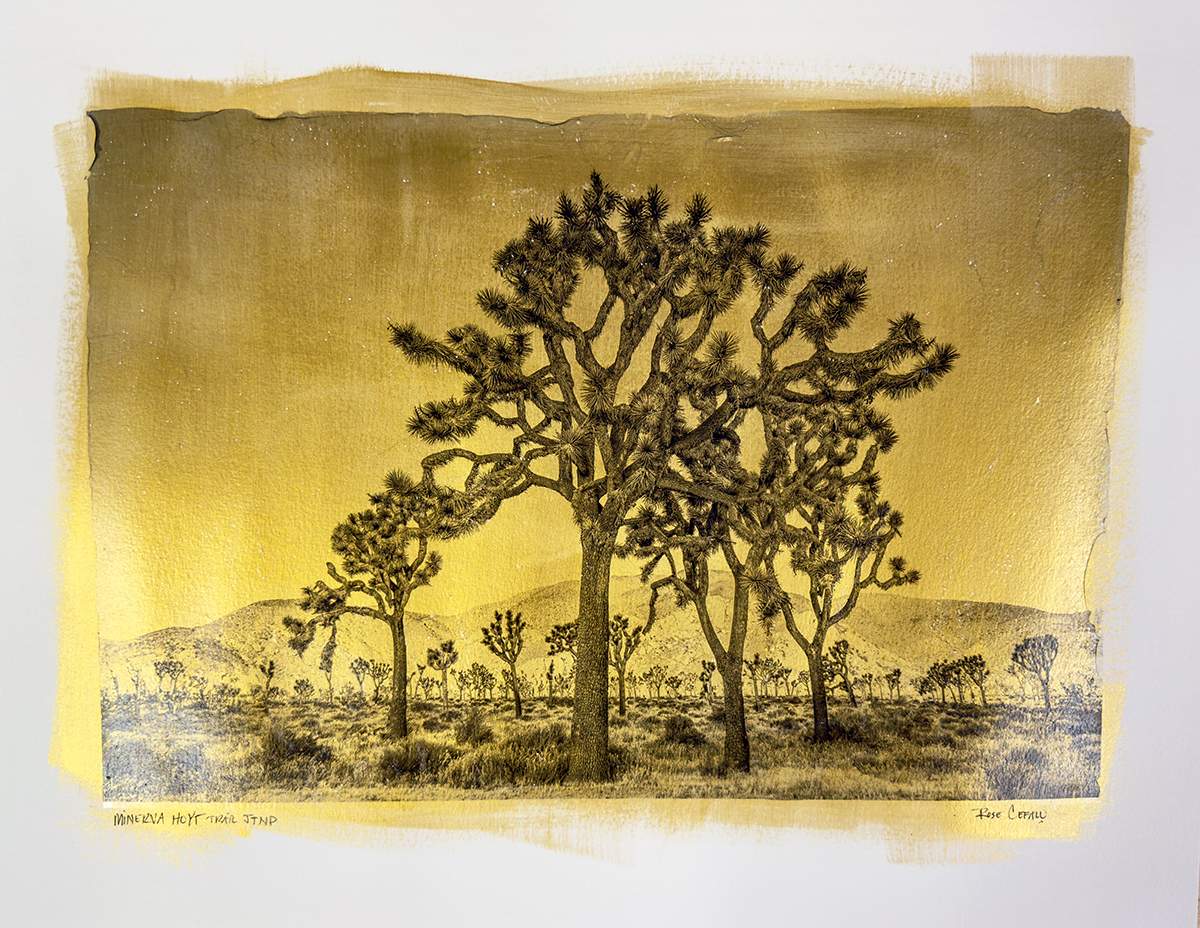
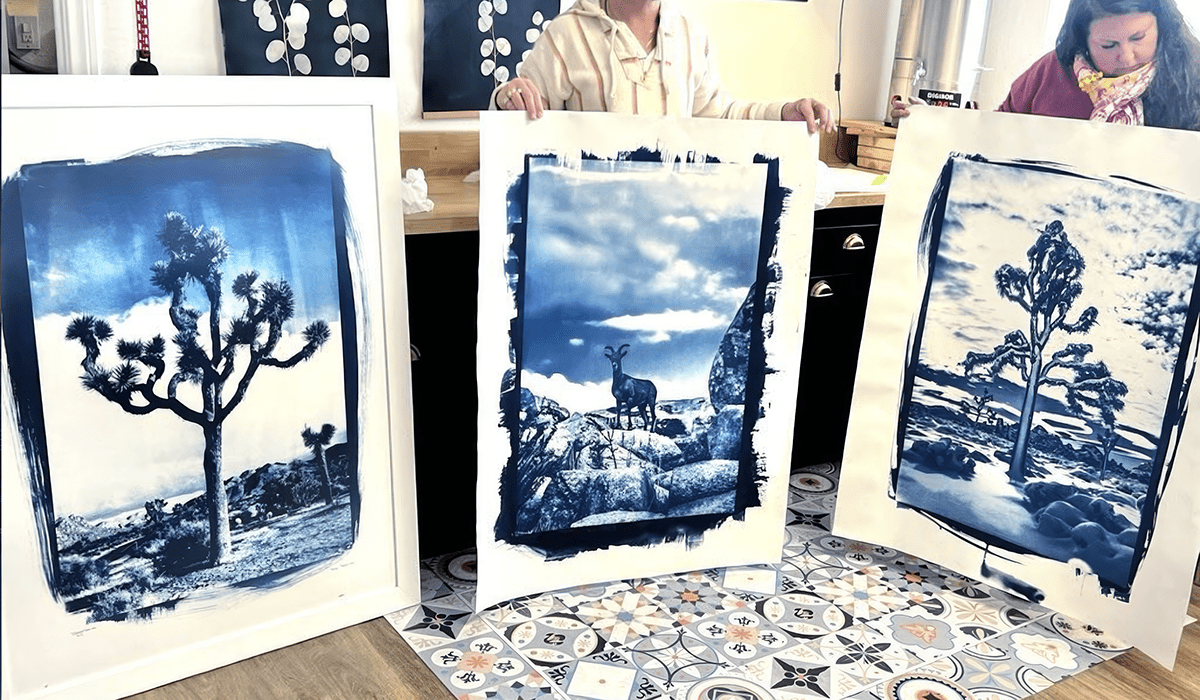
In 2019, Rose launched her cyanotype workshop as a way to reconnect with the tactile nature of printmaking while introducing this historic photographic process to a new generation of artists and makers. Her work is rooted in experimentation, materiality, and the intersection of traditional and contemporary image-making.
When she’s not working with light-sensitive emulsions or creating candles inspired by desert rain, Rose produces award-winning visual content across editorial and media platforms. She is currently the Photography Director at Emmy Magazine.
Her personal work can be found at rosecefaluphoto.com and on Instagram at @joshuatreedesertrose and @rose_cefalu_photo.
Gallery
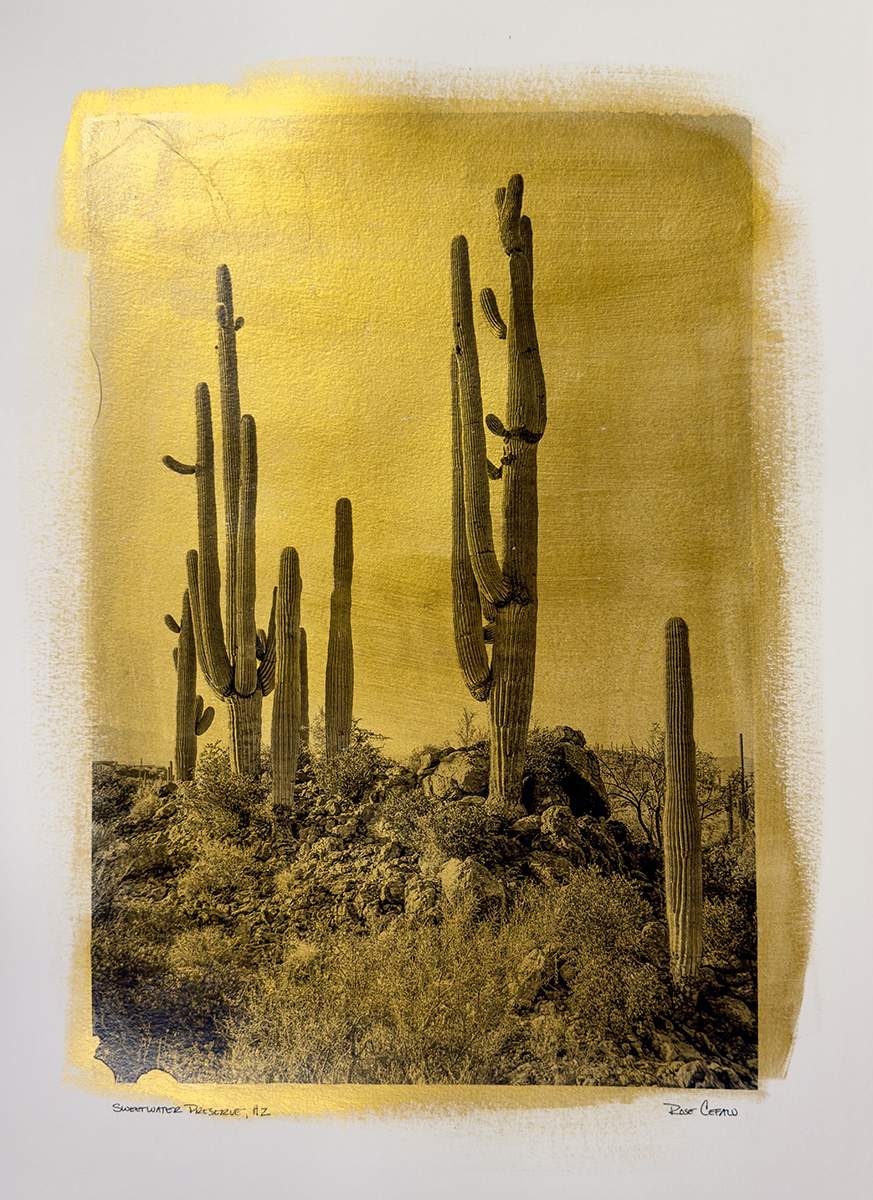
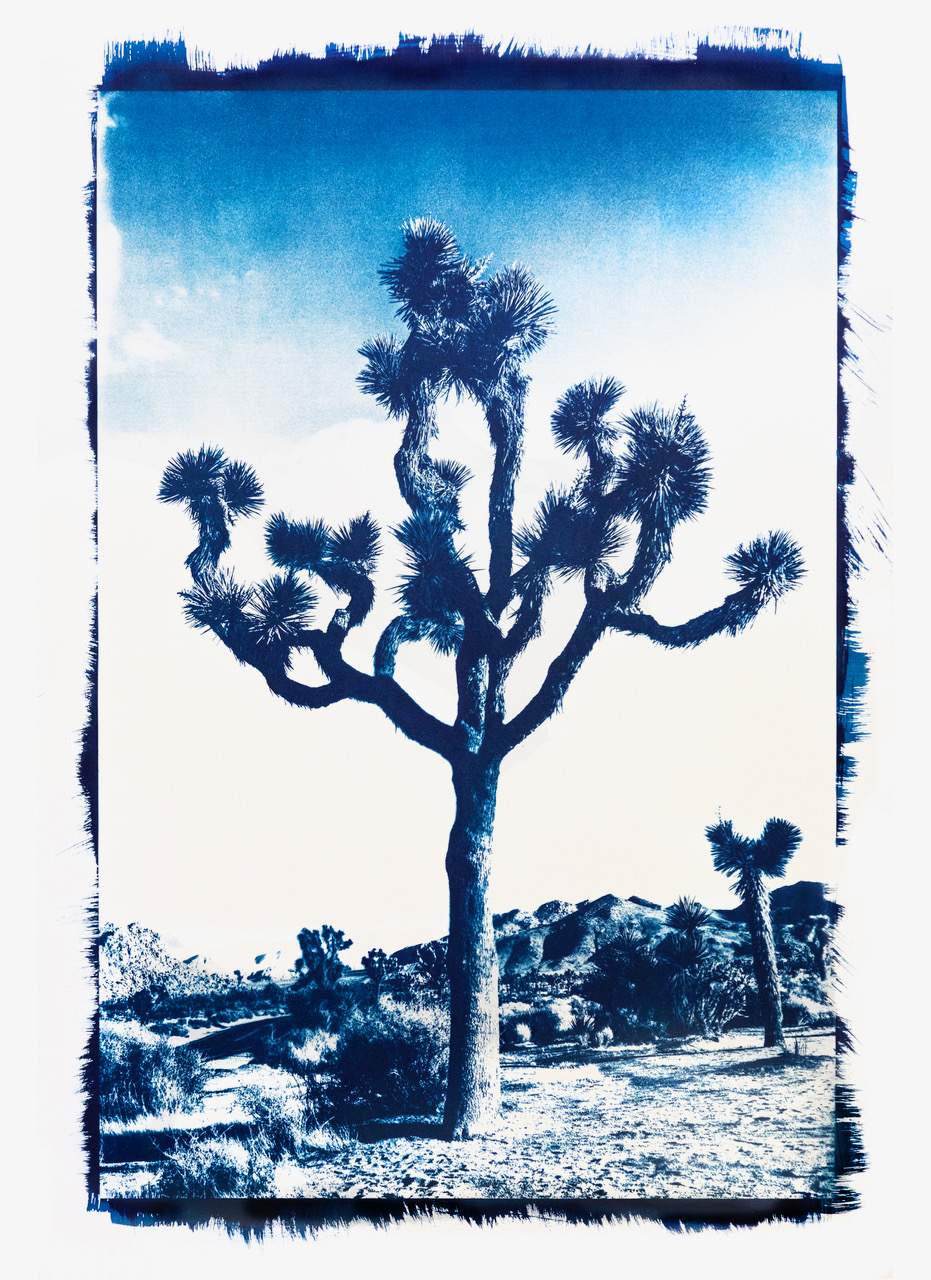
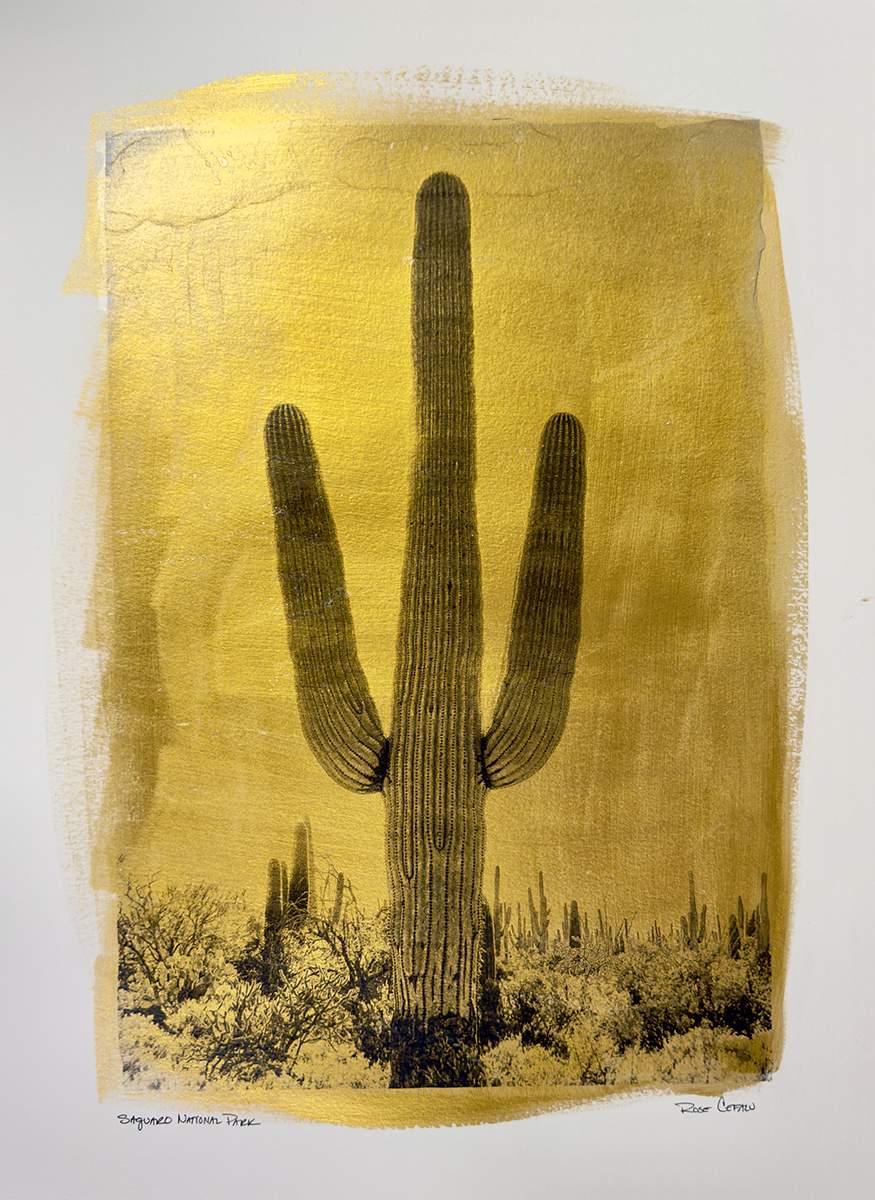
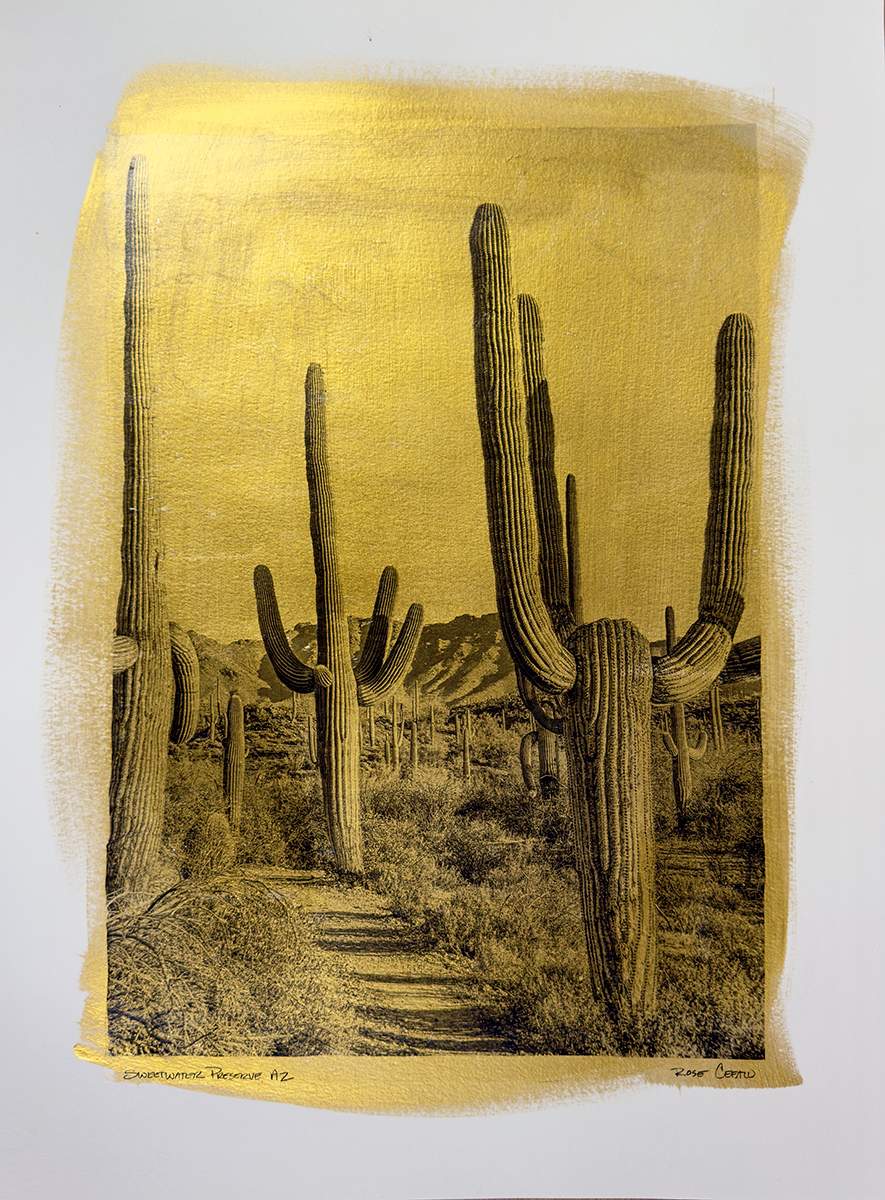
LACP Interviews Rose Cefalu
LACP asks Rose Cefalu ten questions about their background, career in and beliefs about photography.
Los Angeles Center of Photography: What kind of photographer are you?
Rose Cefalu: I’m the kind of photographer who adapts to the environment and to the story unfolding in front of me. Photography has always been part of my life, I started taking pictures with a small 126 camera when I was seven or eight years old. Curiosity and observation have always driven my work.
LACP: How long have you been photographing?
RC: In many ways, my entire life. Professionally, I have been working as a fine art photographer for the past seven years, though my career in photography began much earlier through magazine publishing, where I worked as a photo editor and art buyer.
LACP: Where did you get your training?
RC: I attended the Academy of Art University in San Francisco in the early 1990s. At the time of graduation, I thought my future was in publishing rather than behind the camera. After graduation, I moved to Los Angeles and began working at Detour Magazine, first as an intern and eventually as Photography Director. It was an incredible education not only creatively, but also in understanding the collaborative and editorial side of photography.
LACP: When did you know you wanted to devote your life to photography?
RC: I think I always knew in some way. Photography has always felt instinctive to me. Photographers are my community, the people who see the world through observation, emotion, and light.
LACP: Did you ever come close to giving up?
RC: Absolutely. Instead of pursuing photography directly, I spent many years working behind the scenes in magazines. That experience gave me a firsthand understanding of both the opportunities and the challenges of the entertainment and publishing industries. I witnessed the struggles photographers face, but also the complexities of working with talent, creatives, and celebrity culture. Ultimately, those experiences deepened my understanding of the industry and strengthened my perspective as an artist.
LACP: Have you sacrificed anything by being a photographer?
RC: Like many artists, there is always a sense of sacrificing stability or predictability. Photography is not a conventional path. But for many photographers, it’s less a career choice and more a compulsion a way of seeing the world. Once you begin noticing moments, light, and emotion, it becomes impossible to turn that instinct off. The creative process, the ideas, and the pursuit of meaningful images become part of who you are.
LACP: What have you gained by being a photographer?
RC: Photography has given me peace of mind, continuous learning, and a deeper connection to the world around me. Printmaking in particular feels almost meditative to me I can become completely immersed in the process and lose all sense of time. There is always an element of discovery, and that sense of surprise continues to inspire and excite me.
LACP: What classes do you teach at LACP?
RC: I teach Alternative Printing: Image Transfer.
LACP: What do you love most about teaching?
RC: I love sharing both the process and the sense of discovery that comes with alternative photographic techniques. It opens entirely new creative possibilities for photographers. I often imagine light bulbs going off as students realize how expansive image-making can be. There is a tactile excitement in printmaking that feels increasingly rare in today’s digital world.
LACP: What advice would you give someone who is thinking about making a career in photography?
RC: If photography is calling you, answer it, but understand that being a photographer today requires far more than technical skill. You must also be a businessperson, a diplomat, a problem solver, and an artist. The industry is constantly evolving, especially with changes in technology, so adaptability is essential. The photographers who sustain long careers are the ones who remain curious, resilient, and open to change.